Restaurant aggregator use is on the rise, but the economics of the model continue to prove difficult for leading food delivery services.
By the Numbers
Research from PYMNTS’ new study, “The ConnectedEconomy™ Monthly Report: The Rise of the Smart Home,” which drew from a May survey of roughly 2,700 U.S. adults, found that 43% reported having ordered from an aggregator that month.
Read more: New Data Shows Convenience Drove Smart Home Upgrades for 83M Consumers in 2022
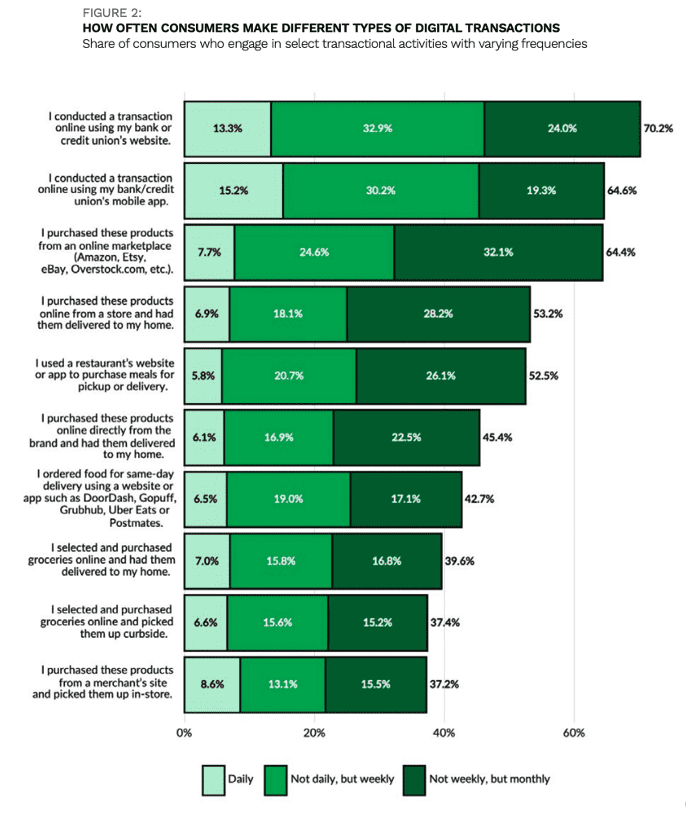 In contrast, data from the March/April edition of PYMNTS’ Digital Divide series, “The Digital Divide: Regional Variations in U.S. Food Ordering Trends and Digital Adoption,” created in collaboration with Paytronix, which drew from a survey of more than 2,500 U.S. adults in February, found that that 32% had ordered from one in the past month.
See more: New Research Shows That Regional Dining Quirks Matter in Tailoring Restaurant Offers
Advertisement: Scroll to Continue
The Data in Action
Despite the rise in aggregator use, players in the space still came up against the economic challenges inherent to the labor-intensive business model. Grubhub, for its part, announced Wednesday (July 6) that, after months of searching for a strategic partner or buyer, it entered into a deal with Amazon whereby the eCommerce giant could take a 2% stake in the aggregator. If the move performs well insofar as bringing new customers to Grubhub, Amazon could grow its stake to 15%.
Read more: Grubhub Deal Gives Amazon New Ammo in Walmart Food Fight