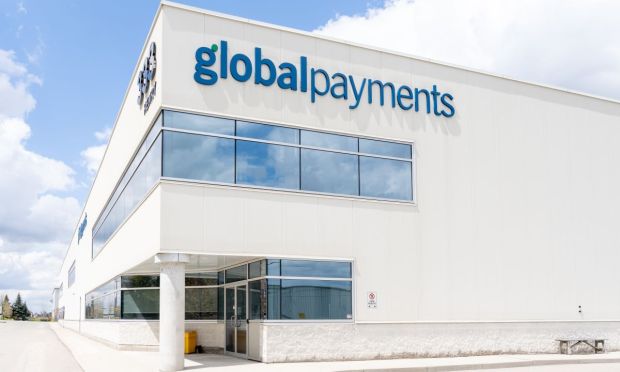
According to the announcement, the addition of the Visa Intelligent Data Exchange (IDX) tool allows commercial clients to transmit richer transaction data directly to card issuers during the authorization process. By providing issuing banks with deeper context on individual purchases, the system is designed to support more informed authorization decisions, reduce unwarranted cardholder challenges and improve overall transaction conversion rates.
Global Payments said its Adaptive Authentication architecture relies on artificial intelligence to evaluate transactions in real time and automatically select an appropriate verification method. Depending on the risk profile of each purchase, the system routes payments through protocols such as 3D Secure, Data Only authentication, Strong Customer Authentication (SCA) exemptions and the new Visa IDX interface. While the broader Adaptive Authentication suite is deployed internationally, access to the Visa IDX API is initially restricted to eligible domestic transactions within the United States and Canada.
The company, which integrates fraud and risk capabilities from specialist Ravelin, noted that existing implementations of its Data Only authentication and AI optimization models have generated merchant approval-rate gains typically between 4% and 6%.
Addressing the commercial impact of authorization friction, John Winstel, senior vice president of Value Added Services at Global Payments, underscored the financial toll of false rejections on retailers.
“Every time a legitimate customer has their transaction declined, it is a lost revenue opportunity,” Winstel said in the press release. “As authentication becomes more complex, merchants need more than standalone tools. They need an intelligent approach that determines the right authentication strategy for every transaction. By adding Visa IDX API to our Adaptive Authentication platform, we are helping our clients improve approvals, reduce friction and deliver better customer experiences.”
The push to resolve authentication friction comes as merchants grapple with financial losses stemming from misidentified transactions. According to a PYMNTS Intelligence study on checkout friction and fraud prevention, 85% of merchants cite balancing fraud mitigation with a seamless customer experience as their primary operational challenge. The report found that nearly half of merchants estimate false declines eliminate up to 5% of legitimate sales, resulting in an estimated $50 billion in lost revenue industrywide each year.
PYMNTS Intelligence research indicates that revenue lost to false transaction rejections often surpasses losses caused by actual fraud, making authorization optimization a critical commercial priority. By using APIs to transmit granular purchase context directly between retailers and card issuers, payment platforms aim to bridge information gaps, decrease misclassified declines and capture revenue that would otherwise be abandoned at checkout.