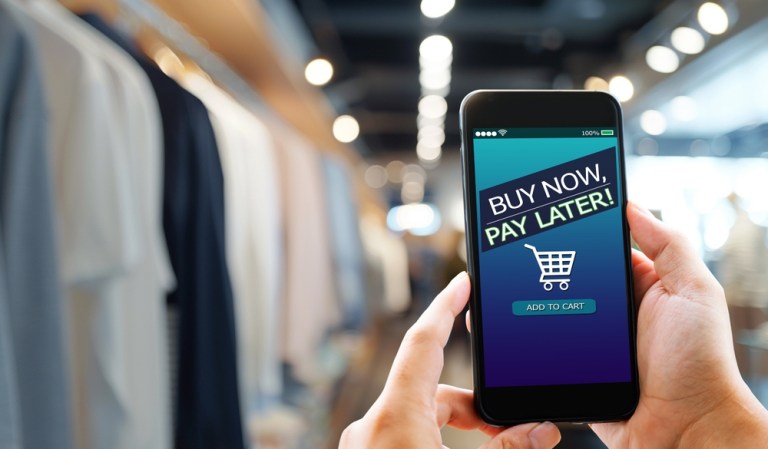
Countries in Southeast Asia are reportedly in the midst of a pay-later boom.
That’s according to a report late Wednesday (Aug. 6) from Bloomberg News, which says that Indonesia, Malaysia and Thailand have all been increasing regulation and warning consumers about the cost and risk associated with buy now, pay later (BNPL) loans.
Companies such as Billease counter that they’re offering consumer finance to underserved populations, as traditional lenders shied away.
“Early on, banks were not very comfortable with the type of collateral that we can offer, which is basically secured against a loan book,” Billease CEO and Co-founder Georg Steiger told Bloomberg.
Enter the private credit sector, which has begun entering the consumer finance space, and lends to BNPL companies in Southeast Asia at annual rates of 10% to 15%.
The report points out the ubiquity of the BNPL industry in some places, such as the Indonesian capital of Jakarta, where ads for the companies show up throughout the city and in digital spaces. One, for a Singapore-based company called Kredivo, encourages people to use BNPL for minor, everyday purchases like train fares.
Advertisement: Scroll to Continue
“It’s that flexible!” the tagline says.
According to the report, BNPL debt in Indonesia came to nearly $1.9 billion in May, a 40% increase from a year ago. The country’s Financial Services Authority says 3.74% of that debt is nonperforming — meaning borrowers were more than 90 days behind on their repayments — compared to 3.22% in May 2024.
“Consumers should assess their ability to repay the debt before using ‘pay later’ services,” said Agusman, the agency official who oversees financing, venture capital, microfinance and other financial institutions. (Bloomberg notes that like many Indonesians, he goes by one name.)
On the other side of the world, BNPL options have become deeply embedded into American consumers’ financial lives, “influencing everything from daily grocery runs to major appliance purchases,” as PYMNTS wrote last month.
“For many consumers, BNPL has emerged as a primary payment choice, to the extent that its unavailability could alter their purchasing decisions,” that report added.
Research by PYMNTS Intelligence shows that 43% of consumers would choose not to make the payment or purchase at all if BNPL was not offered, while 42.4% said they would purchase a cheaper product or service (42.4%). In addition, 35.1% said they’d complete the payment but delay other due payments, highlighting the influence of BNPL on financial management and spending patterns.