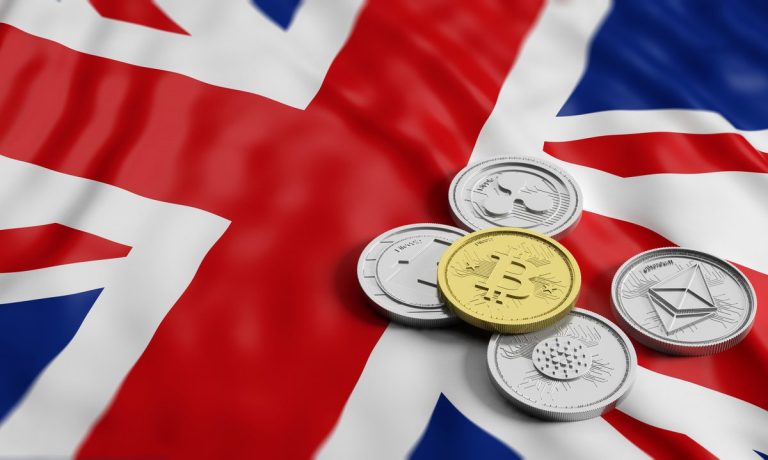
The Labour Party, which came to power in July, will draft rules that will include stablecoins and staking services, Bloomberg reported Thursday (Nov. 21).
“Doing everything in a single phase is simpler, and it just makes more sense,” Economic Secretary to the Treasury Tulip Siddiq said Thursday at a conference, according to the report.
Siddiq said at the conference that, as part of the government’s plans, stablecoins would no longer be considered under the country’s existing payments services regulation, and staking services would have their current legal uncertainty removed, per the report.
The U.K. is working to keep up with the United States and Europe in the crypto sector at a time when U.S. President-elect Donald Trump is wooing crypto businesses and when the European Union’s Markets in Crypto-Assets (MiCA) regulation is about to be implemented, according to the report.
The need for clear regulatory frameworks is one of the most pressing issues facing the crypto and blockchain space, PYMNTS reported in July. Regulatory clarity is crucial for the mainstream adoption and growth of cryptocurrencies.
Advertisement: Scroll to Continue
In the U.S., the Securities and Exchange Commission and other regulatory bodies are working on frameworks for cryptocurrencies, but there is still uncertainty. The EU’s MiCA regulation is a step toward a more unified regulatory approach.
The EU’s implementation of MiCA’s provision for stablecoins put the EU at the forefront of crypto regulation, PYMNTS reported in July. Having stricter disclosure requirements, regular audits of crypto firms and more robust capital reserve requirements will help build trust and transparency across the marketplace.
In the U.S., bitcoin and the global cryptocurrency market rose to record highs after the Nov. 5 U.S. presidential election, with traders expecting the crypto sector to benefit from Trump’s support of cryptocurrency. Bitcoin rose more than 40% after the election.
This week saw media reports that Trump’s social media company is considering buying crypto trading firm Bakkt and that Trump was meeting privately with Coinbase CEO Brian Armstrong to discuss the incoming administration’s personnel appointments.