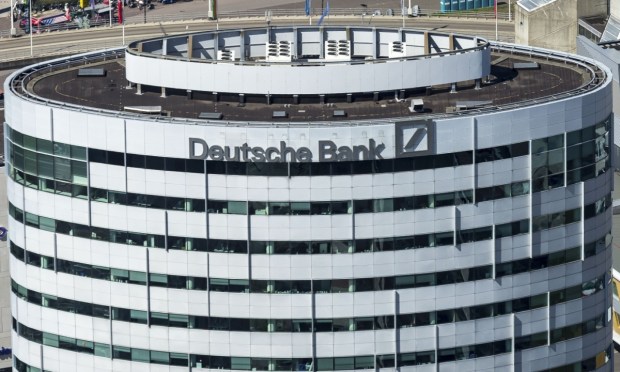
That’s per a report from Reuters, which noted this is happening as banks in Europe demonstrate more openness to digital markets.
The bank in September announced it planned a custody service for institutional and corporate clients in Europe, pending approval from regulators. Deutsche bank said at the time that this business would support the safekeeping and storage of digital assets such as bitcoin and ether, the Reuters report added.
“In the medium term, we aim to deliver a fully integrated, regulated ecosystem that supports the custody, tokenization, and settlement of digital assets,” said Paul Maley, global head of trust and securities services at Deutsche Bank.
In other digital asset news, PYMNTS wrote earlier this week about the edge banks could hold when it comes to stablecoin payments.
“Stablecoins are coming for corporate banking,” that report said. “However, headlines this week showed that the cryptocurrency companies behind them are finding that the fastest way in may be through traditional banks themselves. Rather than persuading companies to replace conventional banking relationships, stablecoin providers are embedding themselves inside those relationships.”
Among those headlines were PNC Bank’s announcement of its expanded partnership with Coinbase, designed to let eligible corporate clients receive payments in USDC that are automatically converted into dollars and deposited into their accounts. This gives businesses access to blockchain-based payment rails without needing to hold stablecoins, manage digital wallets or rework their treasury policies.
This week also saw cryptocurrency-focused bank Anchorage Digital begin a partnership with digital asset payment infrastructure company Lydian.
“That creates a new competitive distribution question for banks, payment networks and crypto companies,” the report said. “Who captures the economics of a stablecoin payment when the corporate customer never actually holds the stablecoin?”
The recent digital asset partnerships are not identical, the report added, but share a “common commercial objective” around linking blockchain-based payments to the financial accounts and workflows used by those platforms’ customers. Recipients get dollars, while the complexity shifts to the financial providers handling the transaction.
“The product being sold is no longer necessarily a digital asset. It is a payment capability,” PYMNTS added.
The report also cited PYMNTS Intelligence’s “The Wallet Effect: How Credit Unions Can Close the Digital Currency Access Gap,” which found a limited grasp on how different digital assets work, with stablecoin awareness falling short for 70% among members of credit unions.