A homeowner pays a bogus seller but still gets the dumpster they ordered. When the stolen-card charge is reversed, the rental broker can be left with the bill for hauling and disposal.
A cardholder calling about an unfamiliar charge can leave Dumpster Rental Enterprises with a container to retrieve from a stranger’s driveway. By then, a homeowner could be halfway through a cleanout or a crew could have filled the dumpster with torn-off shingles. The broker has already paid a local hauler to deliver it.
“We call the person who placed the order and the phone’s disconnected,” Ian Hecht, owner of Dumpster Rental Enterprises, told PYMNTS. Staff also try the email address on file. If they can’t reach whoever booked the rental, they arrange to have the container picked up as soon as possible.
The first calls came in late 2024. Hecht recalled the kind of mismatch his staff would hear when they read back a delivery address. A dumpster might be headed to Texas, while the cardholder lived in Montana and had no connection to the property. If staff got the call before dispatch, they could cancel the order and issue a refund.
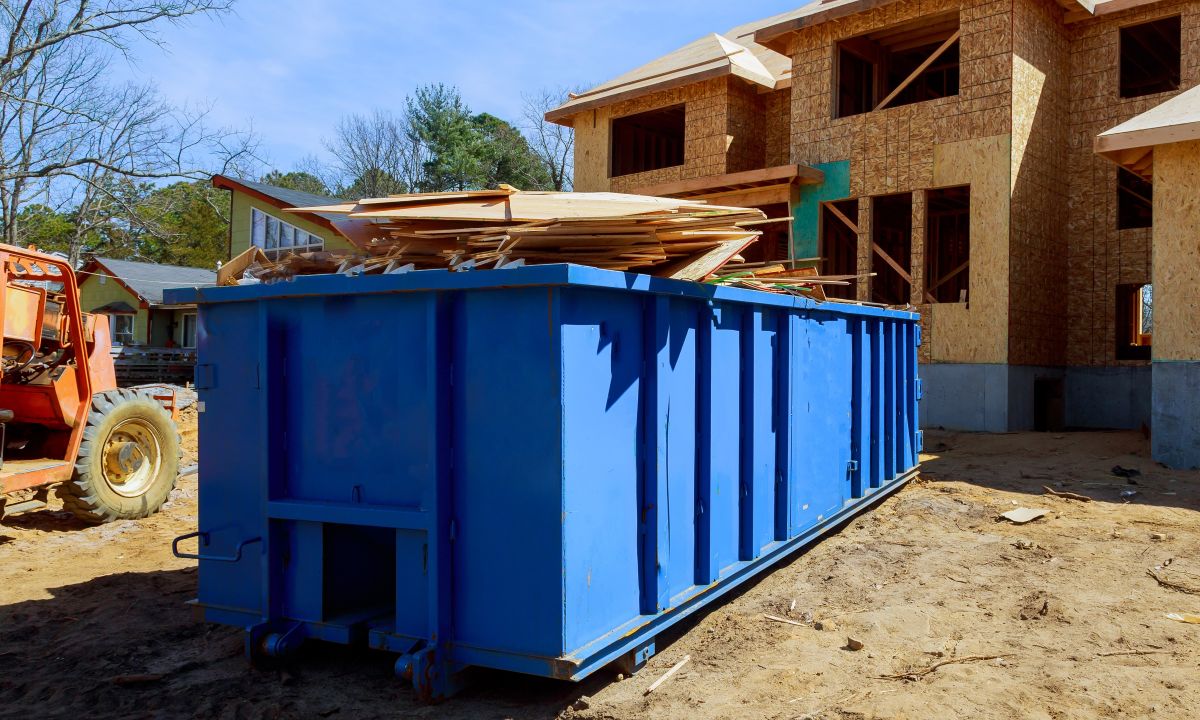
Renters use these containers for jobs that generate more waste than their regular trash service can handle. A homeowner can have one dropped in the driveway for a renovation and fill it with old cabinets and drywall. A contractor may keep one at a job site so the crew has somewhere to put debris as work progresses. The hauler comes back for the loaded container.
In the triangulation scheme Hecht described, the renter finds a listing on Craigslist or Facebook Marketplace. He gave the example of a $350 or $400 offer in an area where a dumpster usually costs $500. The seller asks for payment through Zelle, Cash App or Venmo, then calls a legitimate rental company and books the delivery with a stolen card. The seller keeps the transfer. When the truck arrives, the buyer has little reason to question who arranged it.
A chargeback would typically come a week or a month after delivery, Hecht said. On a $700 rental with a $600 hauling bill, reversing the charge leaves the broker $600 out of pocket. The landfill charges by weight, so the contents can add to the loss. If the rental includes two tons and the load weighs five, a hauler charging $100 per extra ton would bill the broker another $300.
“We don’t have a working credit card on file for the customer,” Hecht said.
What the Broker Can Check Before Dispatch
Hecht founded the company in 2020 after trying to sell digital marketing to local service businesses. One dumpster operator suggested he take the calls himself. As Hecht recalled it, the operator told him, “You deal with the customer and tell us where to drop off the dumpster.”
The broker now serves homeowners, contractors and businesses in 38 states. Its 12-person remote team handles bookings, billing and customer calls. Local operators provide the equipment and handle delivery and pickup. Hecht put annual revenue at about $3 million.
Hecht first coached sales staff to recognize suspicious calls. By late 2025, he said, that approach was missing bookings. The commercial fraud software he considered often required a five-figure annual commitment, so he used Claude and ChatGPT to help write an internal program. One signal is a caller trying several cards on the same order. In one case, a caller tried 22 cards.
When the broker contests a chargeback, it submits a signed rental agreement and a receipt showing the billing details matched. Hecht wants processors serving merchants like his to consider how much those merchants can verify over the phone.
He also wants card networks to take more responsibility for securing payment credentials.
“As a business, what other reasonable methods do we have to make sure that this person on the other end is actually the card holder?” he posited.
Hecht said he’s seen Zelle warn customers about sending money to strangers. He’d put more responsibility on the sites that carry the ads, where a seller can solicit payment before the renter has any contact with the business that will deliver the container.
The company turned away 25 suspected attempts in the 30 days before the interview, Hecht told PYMNTS. During some suspicious calls, staff could hear other people in the background asking to book dumpsters. He wants law enforcement to coordinate an investigation.