Since last year, the lenders have told new customers there will be a 0.5 percent annual rate for large deposits over a certain amount to be kept with them as they can no longer absorb the negative interest rates charged by the European Central Bank (ECB). The more customer deposits a bank has, the more they have to give the central bank, WSJ noted.
The situation has become unusual for bank users, with banks usually in need of deposits now essentially telling customers not to do business with them. Some banks have even begun offering new digital tools to help customers find other places to do business.
While banks have traditionally resisted passing along negative rates to their customers, the pandemic, with its soaring savings rates while customers stayed home, changed that, per news reports. Huge relief programs from the ECB have also added on truckloads of excess deposits.
German banks have been hit extra hard, WSJ said because German people have always been good savers, with around 30 percent of household deposits in the Eurozone being credited to them. Last year, deposits in the country rose 6 percent to €2.55 trillion ($3.5 trillion), a record, while people were reticent about spending during the initial months of the pandemic.
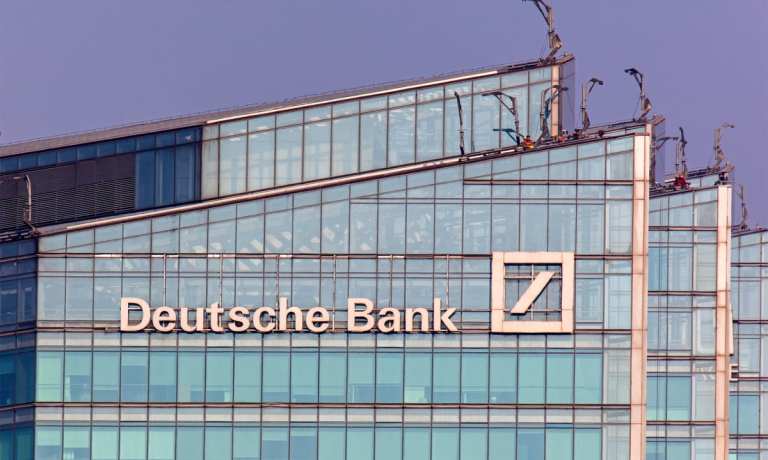
Deutsche Bank charges a negative rate for new customers holding more than €100,000 ($139,000). One customer quoted by WSJ was Alex Bierhaus from Düsseldorf. Bierhaus chose to shift some of his money to Raisin, an online platform letting users shop for better rates all across Europe. Raisin, according to WSJ, said it had seen a boost in services since banks began charging fees.
Advertisement: Scroll to Continue
Bank deposit fees in the U.S. are up as of late as well, PYMNTS reported, as customer deposits are hitting new highs. That has the effect of setting the safety net for failures below a legal limit, with banks having large amounts of money they don’t know what to do with.