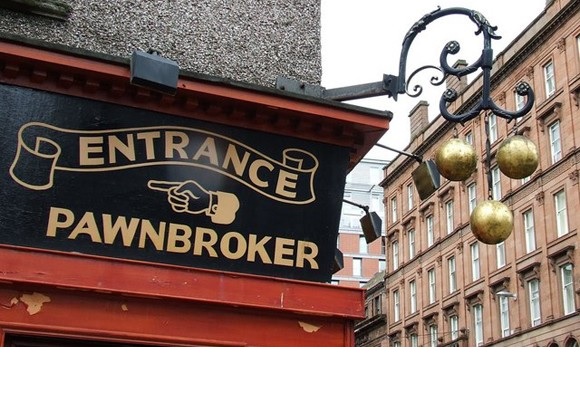
Brazil is seeing such huge lending interest rates—bank loans hitting 100 percent interest while credit cards charge more than 240 percent annually—that an unusual player is emerging as a preferred option: pawnshops, which are charging about 19 percent.
“While still a relatively small portion of lending, the pawnshop business has been booming, even as other types of loans have fallen out of favor. Some Brazilians, even those solidly in the middle class, are using pawnshops to pay off their credit cards, cover unexpected expenses or just get a cheaper line of credit,” according to a story in The New York Times. “Unlike in the United States, pawnshops in Brazil are regulated at the national level. Instead of being independent players that set their own rates and make their own rules, pawnshops are operated by a government-owned bank, Caixa Econômica Federal.”
Caixa’s branches look like any other major bank’s, but in the 463 pawnshop branches, one row of tellers uses scales and jewelers’ kits to evaluate merchandise. Tellers then offer loans, usually worth about 85 percent of the item’s value. “The teller does not ask about employment, income or credit history — just name, address and tax ID number,” the story noted.
Interest rates can be lower because the merchandise keeps the bank’s risks low. “The central bank reports that 6.7 percent of personal bank loans and 26.3 percent of credit card accounts are in default. By comparison, Caixa said that only 0.6 percent of pawn customers missed their payments.”