
Source: consumer.ftc.gov

Criminals are using artificial intelligence in combination with websites, social media and other tools to carry out scams and other malicious operations, OpenAI said Wednesday...
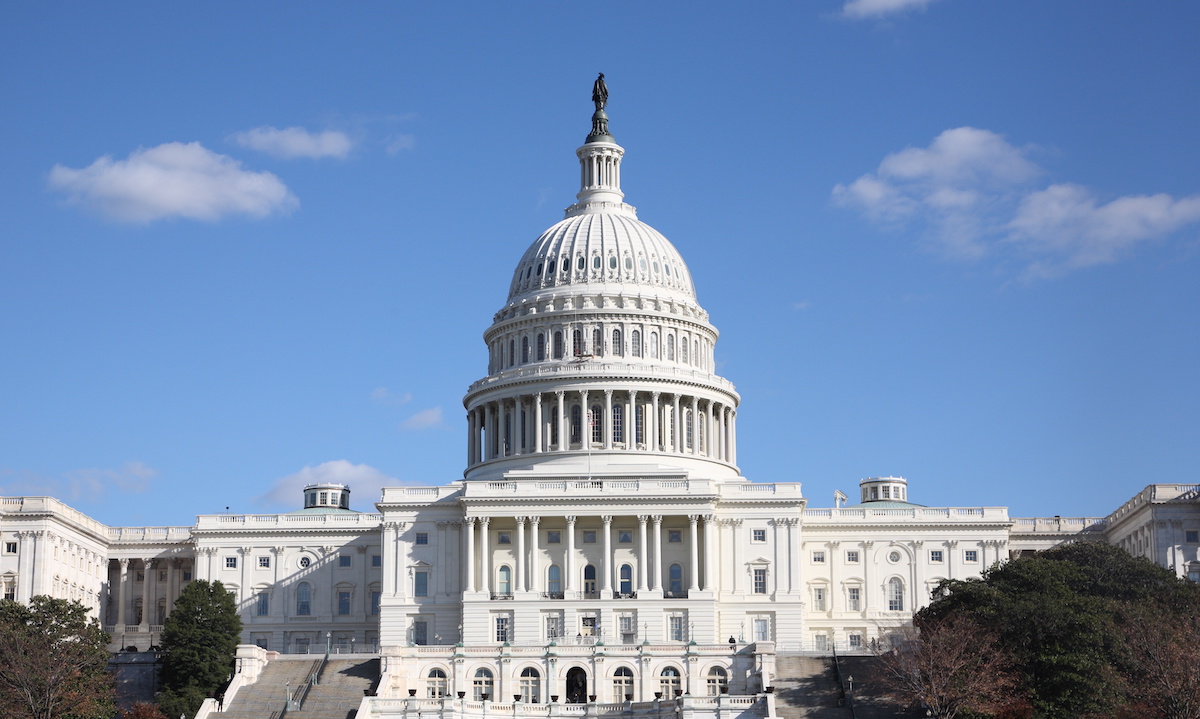
A bill introduced Wednesday (Feb. 4) in the U.S. Senate would require online platforms to take “reasonable steps” to prevent fraudulent and deceptive ads. The...

A recent pattern of transactions on the decentralized blockchain network ethereum suggests that scammers have launched an “address poisoning” campaign, CoinDesk reported Thursday (Jan. 22),...

Crypto scams and fraud took in at least $14 billion on-chain in 2025, up from a revised total of $12 billion the previous year, Chainalysis said...

Fraudsters are nothing if not creative, constantly reshaping old tricks with new technology to stay one step ahead of consumers and the institutions that serve...

Watch more: Live Roundtable with Block’s Brian Boates, Paypal’s Dave Szuchman and FTA’s Angelena Bradfield The contours of the modern scam economy are becoming clear....
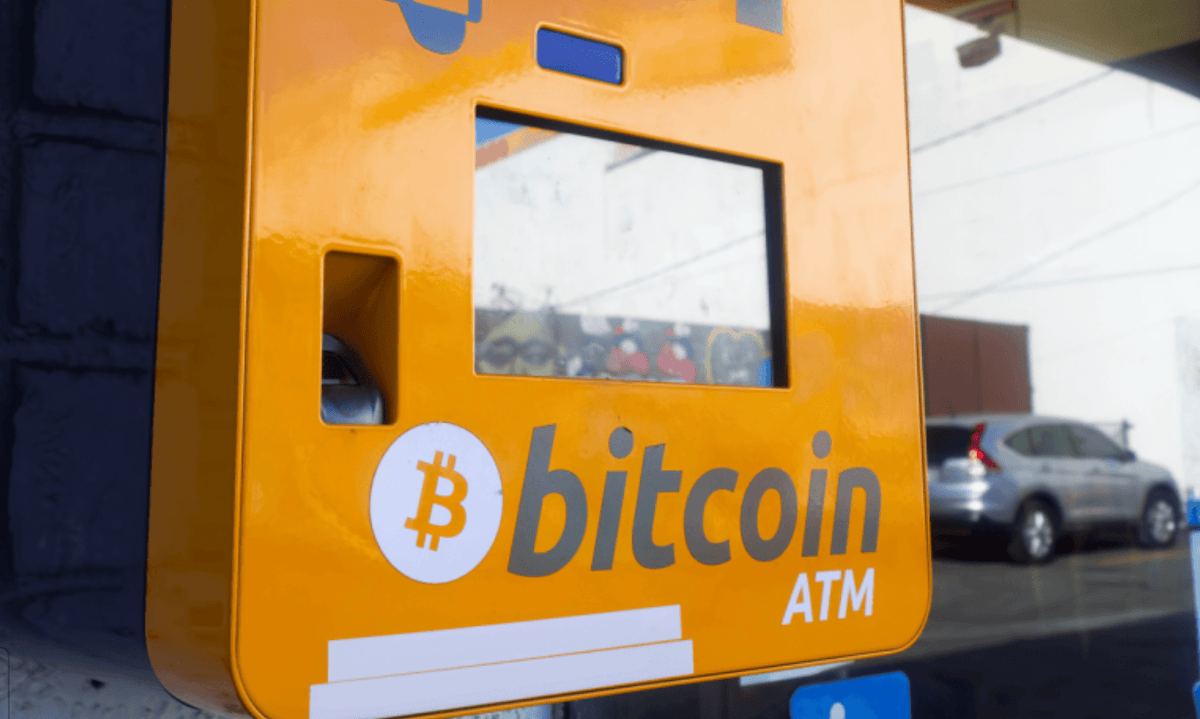
Scams involving bitcoin ATMs reportedly took $333.5 million from Americans from January through November, up from about $250 million in 2024. Fraudulent transactions using cryptocurrency...

The Federal Trade Commission (FTC) says rental scams have cost consumers $65 million since 2020. That’s according to a new analysis from the FTC released...

Fraudsters are constantly evolving, and banks are struggling to keep up. The imbalance underscores a broader shift. Criminal activity is pivoting toward external attackers regaining...