by Karen Webster
When T. S. Eliot wrote those lines in 1942, he was pointing to a simple but uncomfortable truth. Language carries the logic of the era that produced it. When circumstances change in fundamental ways, the words we once relied on stop working. Progress depends not just on new ideas, but on recognizing when old descriptions no longer fit reality, and on finding a new voice to replace what once passed for the status quo.
That observation feels uncannily accurate for payments, commerce, and the broader AI economy today.
We keep reaching for familiar terms to explain what is happening around us. Checkout. Credit. Data. Regards. Authentication. Convenience. But those words increasingly fail to capture the dynamics reshaping how consumers and businesses interact, transact, and make decisions.
What makes that mismatch impossible to ignore is the year we just left behind.
AI and agents are no longer features layered onto existing systems. They are becoming embedded into the infrastructure itself. Intelligence is moving into the transaction. And when that happens, everything around it begins to change: how consumers are authenticated, how payments are routed and priced, how credit is underwritten and used, and what customers expect interactions to feel like. Faster. More contextual. More autonomous. Less visible.
As intelligence becomes native to commerce, the economics that supported the old system begin to crack. Long-standing roles blur or disappear. New players emerge. And deeply held assumptions about who owns the customer, who controls the data, and who captures the margin are challenged.
Each year, I begin with a piece that looks ahead. Not to predict headlines, but to surface the signals forming beneath them. The shifts where pressure is building. The points where existing models strain. And the moments where incumbents and challengers alike have an opportunity to act differently.
Taken together, these signals point to a year that will demand new language, new frameworks, and, in Eliot’s words, a new voice.
The year ahead will belong to those willing to find it.
And do more than just talk about it.
"For last year's words belong to last year's language. And next year's words await another voice."
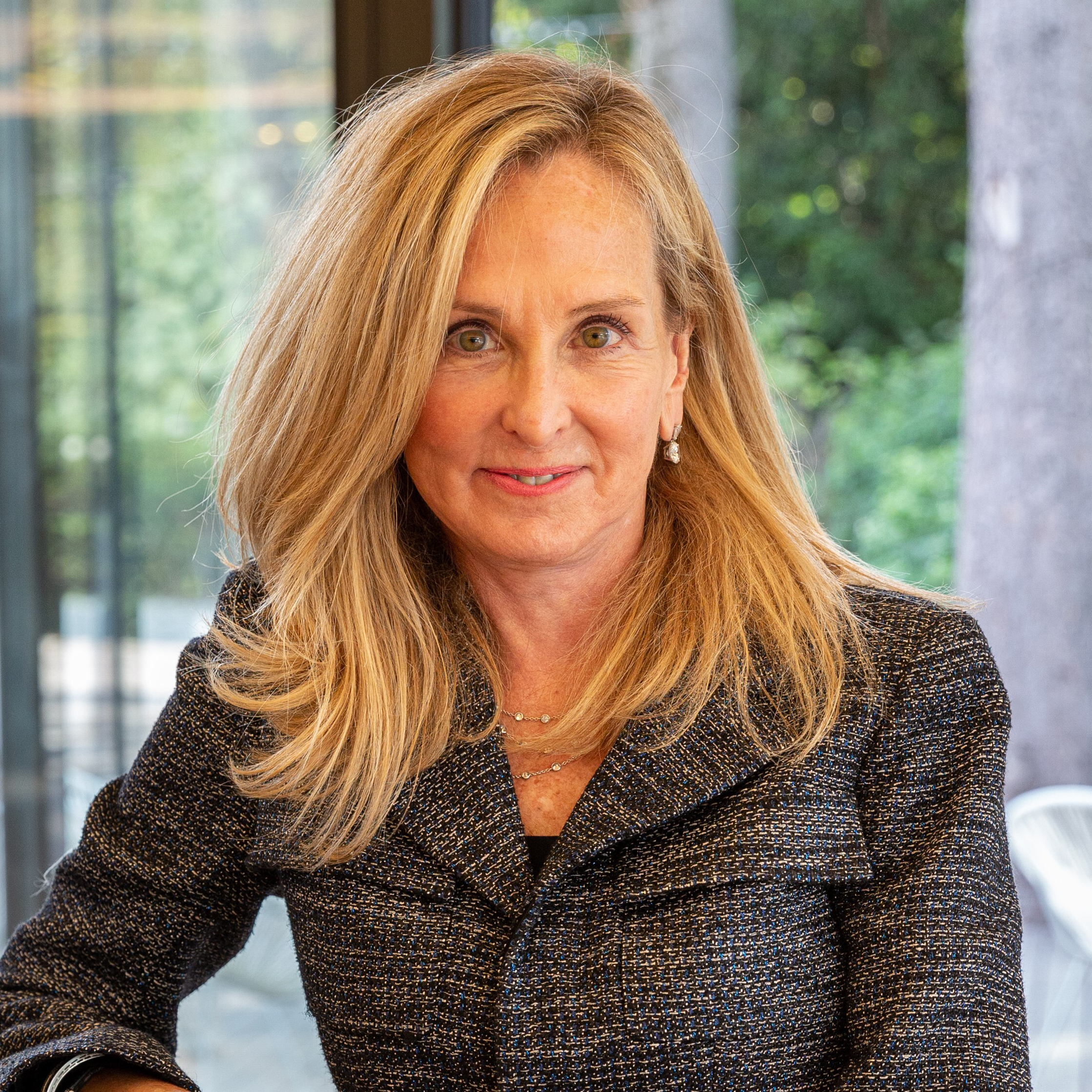
Karen Webster is a payments and digital economy expert and the CEO and founder of PYMNTS.com, a leading media and data intelligence platform covering payments, commerce, AI, and innovation. She advises CEOs and boards on payments and platform strategy and serves on the boards of emerging technology companies. She is the author of The NEXT newsletter.
Get the Full Story Complete the form to unlock this article and enjoy unlimited free access to all PYMNTS content — no additional logins required. yesSubscribe to our daily newsletter, PYMNTS Today. By completing this form, you agree to receive marketing communications from PYMNTS and to the sharing of your information with our sponsor, if […]
What 2026 Will Make Obvious
If 2025 was the year everyone argued about AI, 2026 is the year AI makes the argument irrelevant. Not because the debates disappear, but because the operating system of commerce and payments starts to change underneath them. The most important shifts don’t arrive as splashy product launches. They show up as new defaults: what consumers expect to say out loud, what software is allowed to decide, and which legacy profit pools suddenly look less like moats and more like unpriced opportunity.
This eBook, “What 2026 Will Make Obvious,” brings together 10 essays drawn from PYMNTS CEO Karen Webster’s 2026 predictions. They share a common throughline: the next phase of digital transformation won’t be won by adding features to yesterday’s experiences. It will be won by redesigning who does the work and where decisions get made.