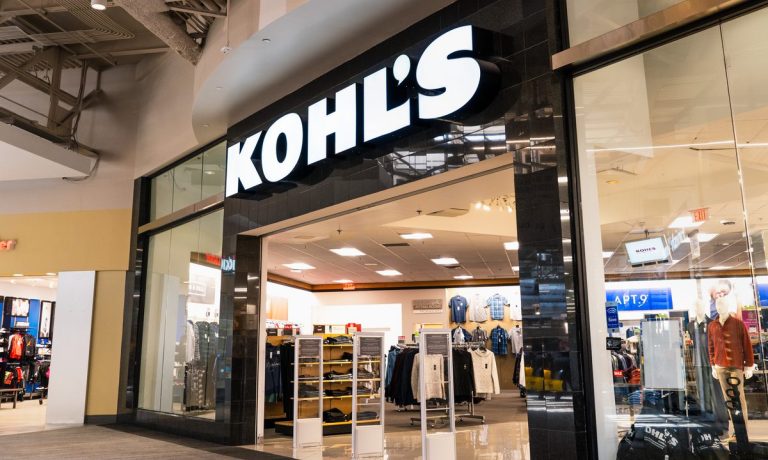
“Our goal through Kohl’s Media Network is to leverage our vast omnichannel consumer data and insights to create innovative retail media solutions for our partners that connect them directly with personalized audiences,” said Christie Raymond, Kohl’s interim chief marketing officer, in the company press release.
Kohl’s Media Network helps the company to leverage its data assets, loyalty program, media buys and sales channels into revenue for its advertising partners. The company said it has more than 65 million customers who shop the website 1.7 billion times per year.
The Kohl’s Media Network offers on-site product ads, brand pages, email ads and Kohl’s App push notifications, as well as off-site paid social and influencer ads, off-site display ads, video and streaming audio.
Related: Kohl’s to Launch 100 Small Format Stores in Untapped Markets
In May, Kohl’s announced plans to add 100 new small-format locations over the next four years, using a 35,000-square-foot model after a pilot of 20 small-format stores. The typical Kohl’s store is about 80,000 square feet.
Advertisement: Scroll to Continue
By shrinking its footprint, the Wisconsin-based department store chain said it gains flexibility needed to enter new neighborhoods but also be able to provide a “hyper-localized experience” that reflects each community’s particular needs, such as a higher allotment of outdoor gear in markets like Tacoma, Washington.