



The Wage to Wallet Index is a monthly study tracking how wage growth, income access and job stability among 60 million essential U.S. workers impact household resilience, consumer demand and overall economic performance.
America’s economic engine runs on people who stock warehouses, move goods, serve meals, clean rooms, assist patients and staff retail counters. This is the Labor Economy, and it’s made up of roughly 60 million workers.
This project, a collaboration between PYMNTS Intelligence and WorkWhile, will detail the financial attitudes, behaviors and vulnerabilities of the Labor Economy and suggest some implications for the economy at large.
Study findings show that financial fragility runs deep, as low savings, high credit use and rising costs strain resilience. Workers are trading down and cutting back, with unstable income amplifying the pressure. Instant pay access emerges as a vital lifeline—most choose it when available, valuing the stability and relief it brings between pay cycles.
PYMNTS Intelligence estimates U.S. consumers will spend $11.5 trillion in 2025. Labor Economy workers account for 36.5% of all employees, but because they are concentrated in lower-income bands, they drive 15.1% of total spending, which is still more than $1.7 trillion of annual outlays. Small wage changes scale quickly at that base. A 1% wage change for this workforce implies roughly a $17 billion impact on GDP. Applying recent wage changes observed in the sample, annualized spending impacts ranged from a $40 billion increase to $40 billion decrease. The sensitivity is real. So are the stakes.
The Wage to Wallet™ Index: Paid Time, Unpaid Risk
The Labor Economy Follows a Different Consumer Playbook
When the Drive Isn’t Worth the Pay: How Fuel Costs Reshape Who Can Afford to Work
Wage to Wallet Index™ - The Schedule Shock: How Unstable Hours Turn Paychecks Into Guesswork
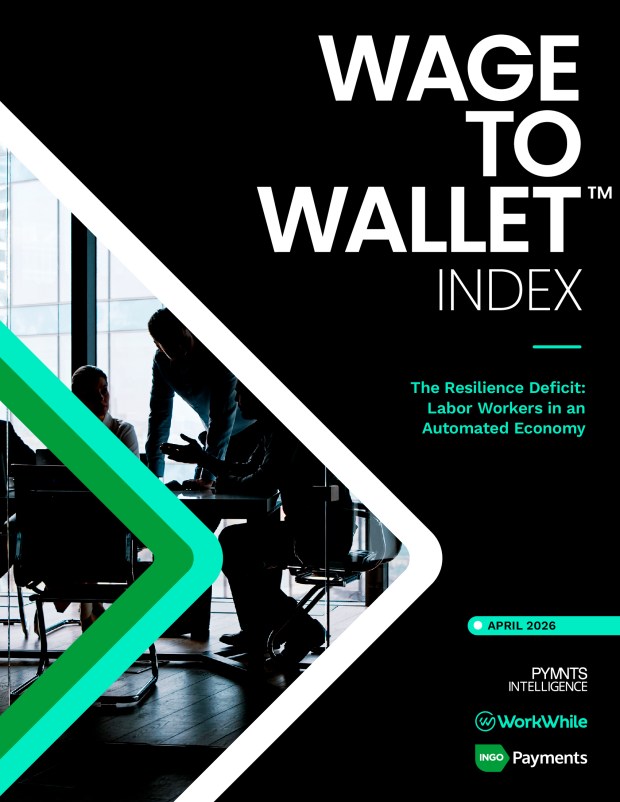
Wage to Wallet™ Index - The Resilience Deficit: Labor Workers in an Automated Economy
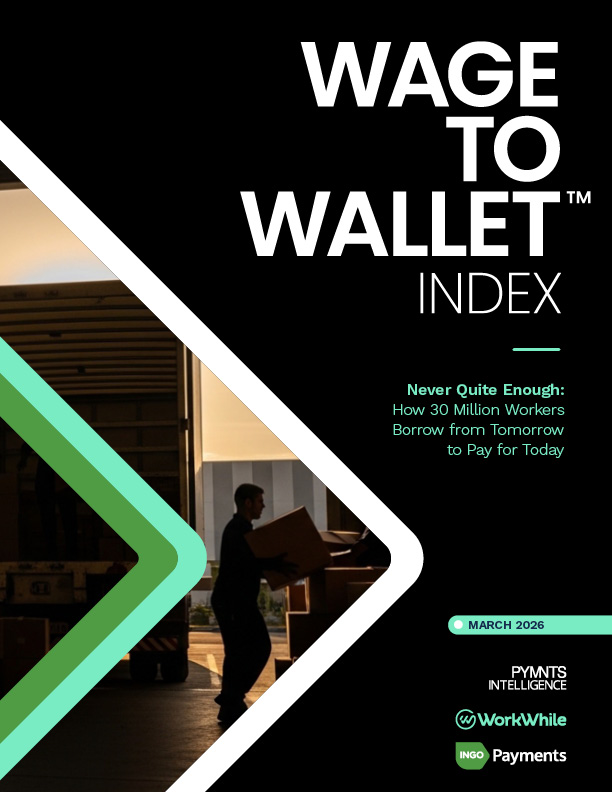
Wage to Wallet™ Index - Never Quite Enough: How 30 Million Workers Borrow from Tomorrow to Pay for Today
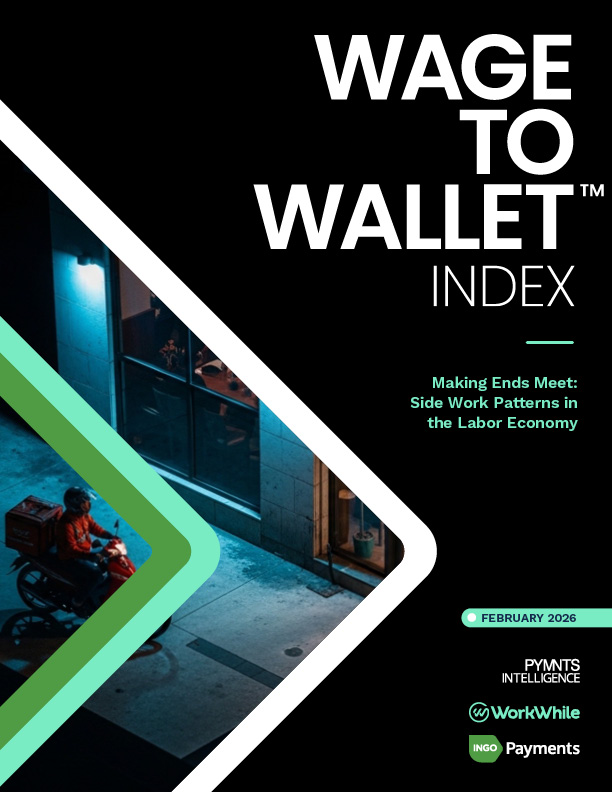
Wage to Wallet™ Index: Side Work Patterns in the Labor Economy
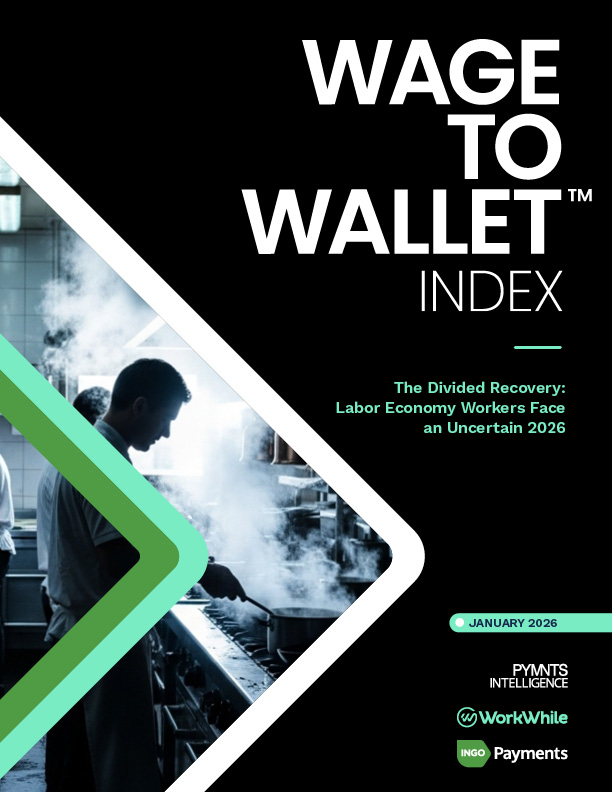
Wage to Wallet™ Index: The Divided Recovery: Labor Economy Workers Face an Uncertain 2026
Wage to Wallet™ Index: Liquidity Stress Splits Higher Earners and the Labor Economy
Wage to Wallet™ Index: Wage Volatility’s $14B Consumer Spending Gap
Wage to Wallet™ Index: Measuring the Labor Economy’s Impact on U.S. Financial and Economic Health