

Microsoft raised the recommended retailer pricing for its Xbox consoles and controllers worldwide, effective Thursday (May 1), and said it expects to raise the price of its new, first-party games starting during the holiday season. “We understand that these changes are challenging, and they were...
Group of 30, an independent global consultative group, said Wednesday (April 30) that the Federal Reserve should focus on its 2% inflation target, prioritizing that over its unemployment objective. “The central bank should also shift the employment objective back to seeking the maximum level of...
Consumer spending, the chief engine of economic growth, was not enough to stop an overall pullback in U.S. gross domestic product (GDP). And with evidence of a slowing gains in disposable income, consumers’ appetite to keep spending look set to be tested. The Bureau of...

Consumer confidence declined for the fifth consecutive month in April as consumers expressed growing concerns about tariffs’ negative effects on prices and the economy, The Conference Board said Tuesday (April 29). Confidence declined across all age groups, most income groups and all political affiliations, according...
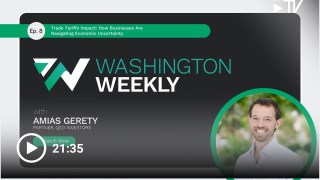
Springtime in Washington, D.C. Cherry blossoms color the presidential monuments. Outdoor cafés in Georgetown are bustling. It’s a time when the talk of the town turns to … baby strollers. That’s right. Baby strollers. Ninety-seven percent of them are made in China and they played...
Trade and tariffs may be the dominant risks to banks and corporates, but in the Federal Reserve’s latest “Financial Stability Report,” nonbank firms, leveraged debt and stablecoins are on the list of threats to the financial system in the United States. Runnables, which are short-term,...
A new International Monetary Fund (IMF) report spotlights trouble in the private lending sector. More than 40% of the companies who borrowed from private lenders had, at the end of 2024, negative cash flow from their operations, the IMF’s Global Financial Stability report said. The...

Do the math. A staggering $92 billion could vanish from the American economy annually as consumers tighten their belts in response to the economic uncertainty created by the Trump administration’s global trade policies. As Karen Webster noted in a recent column, this isn’t a projection...

Major U.S. corporate leaders are raising serious concerns that President Trump’s constantly shifting tariff policies are spooking consumers and throwing business planning into disarray, according to a Wall Street Journal report. The CEOs of companies like American Airlines, PepsiCo, and Procter & Gamble have warned...