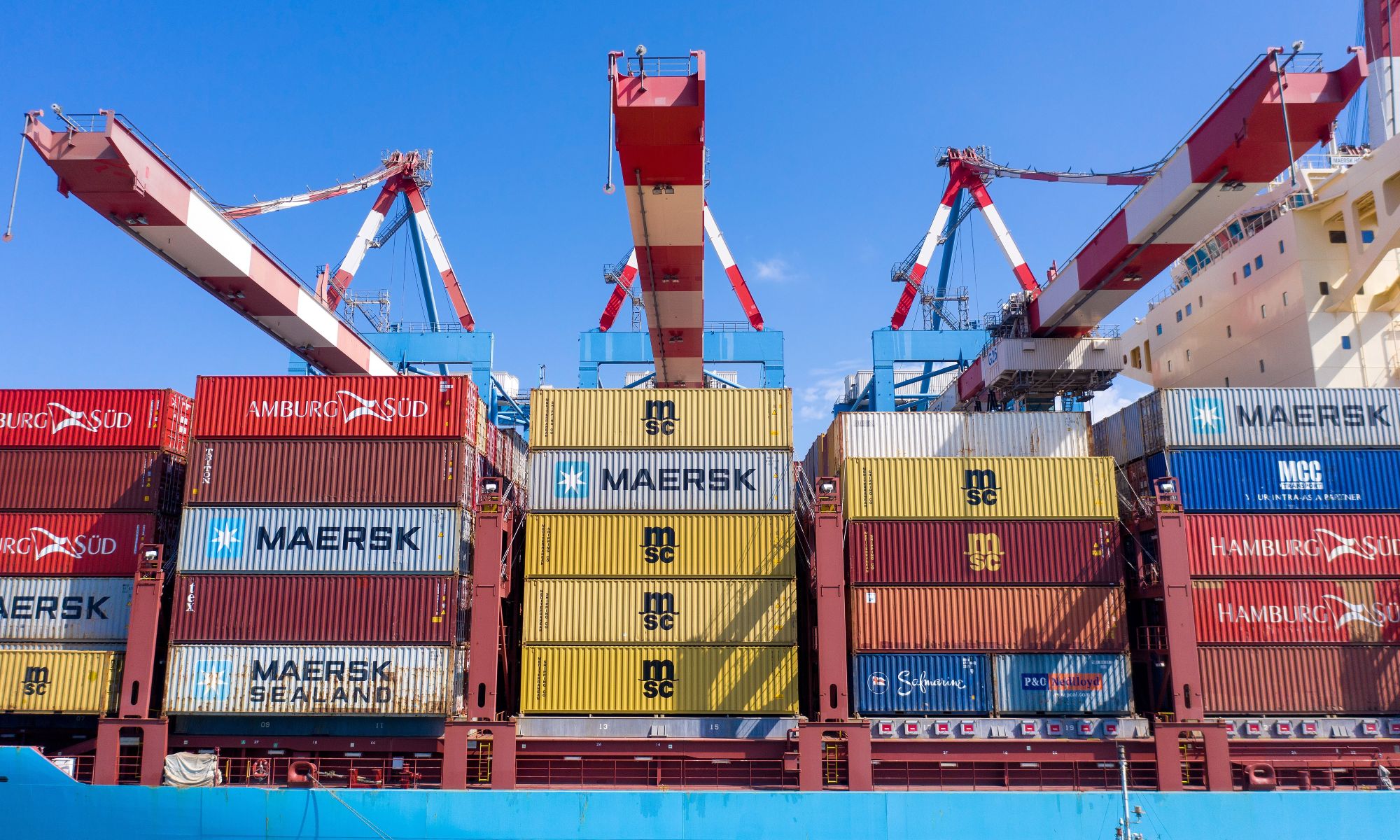
Maersk has not reported a companywide compromise, but the incident illustrates a persistent problem for acquisitive businesses. Technology inherited through M&A can remain an operational and security obligation long after the transaction’s financial benefits have been incorporated into performance expectations.
The company said its investigation remains ongoing, with preliminary findings suggesting no sensitive data was disclosed and no indication of disruption to its broader operations or connected customer systems.
Read more: After 20 Years of ERP Consolidation, M&A Still Moves Faster Than Integration
Integration Savings Can Become Deferred Costs
M&A integration is typically evaluated through cost savings, efficiencies and the consolidating overlapping functions. Technology rationalization is often central to those targets. But acquired systems can remain in service because they support specialized workflows, contain difficult-to-migrate data or connect to customers and suppliers who depend on established processes.
For dealmakers, leaving inherited systems untouched can also be economically rational. Migrating data, replacing specialized applications and disrupting established workflows all carry costs. But the decision to defer modernization can create obligations that outlast the integration program, turning what initially looks like a cost saving into a recurring expense.
The PYMNTS Intelligence report “Scale Amplification: How Revenue Amplifies Agent-Driven Identity,” showed that large enterprises, with their larger digital footprints, can be more susceptible to today’s new artificial intelligence-powered attacks favored by adversarial fraudsters.
Maersk did not immediately reply to PYMNTS’ request for comment, but the company reported in its statement that there was no indication the intrusion spread into other systems or affected customers and partners connected through APIs and electronic data interchange. Assuming those findings hold, the incident would also demonstrate the value of containing risk within a discrete environment.
See also: The M&A Files: You Just Had an Acquisition — Now What?
Cross-Jurisdiction Supply Chain Can Make the Stakes Larger
For logistics companies, the consequences of inherited technology extend beyond the acquiring organization. Shipping and fulfillment platforms connect carriers, warehouses, customs intermediaries, suppliers and customers through overlapping systems and data exchanges.
Even when an incident does not disrupt physical operations, information held in those environments can create risks involving commercial confidentiality, customer relationships and fraudulent communications.
That makes the distinction between operational resilience and data protection particularly important.
“It’s not about abandoning legacy systems, but modernizing around them intelligently,” Garrett Baird, vice president of product, banking and FinTech at Paymentus, told PYMNTS in an interview published in May.
And the PYMNTS Intelligence tracker “Who Decides Now: How Developers and Tech Teams Are Reshaping the Future of AP Payments” found in July that 58% of small to medium-sized businesses rank integration as very or extremely important when evaluating technology solutions.
For all PYMNTS digital transformation and B2B coverage, subscribe to the daily digital transformation and B2B newsletters.