According to research, 22 million South Africans earn less than ZAR 3,000 a month and of that figure, 66 percent do not have bank accounts.
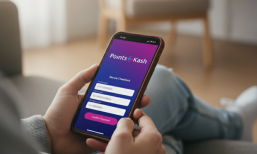
The Standard Bank’s new mobile banking solution, will allow sales agents to open a bank account for these customers without them having to visit a bank. This allows Standard Bank to bring services to communities in areas that have been traditionally underserved, such as townships and rural areas.
The bank has partnered with mobile solutions provider SAP to introduce its new AccessBanking service in South Africa. Once customers have the AccessAccount, they are able to perform transactions such as person-to-person transfers and purchasing of electricity and airtime through their mobile phones at any time. Customers can also perform transactions such as cash-in, cash-out and money transfers at Standard Bank AccessPoints, which operate through partnerships with informal traders already running businesses in their communities. This removes the need for customers to travel to branches or ATMs completely.
“This is a very exciting time for us at Standard Bank,” said Wharton Hood, deputy chief executive, Standard Bank Group. “Mobile origination is not only far more accessible for customers, it is also 80 percent cheaper. Standard Bank is one of the first major banks in the world to run SAP Mobile Platform. This tremendous competitive advantage has significantly helped us grow our customer base. We are currently opening up to 7,000 new accounts a day via SMS technology, in less than six minutes per transaction. This incredible outcome far exceeded our expectations.”
In a country with such a high concentration of unbanked populations a truly bank-less banking service could have a real impact on the country’s payments ecosystem. It remains to be seen whether the fast adoption rates will continue in the long term and whether consumers will use the service consistently after the novelty factor dies down.