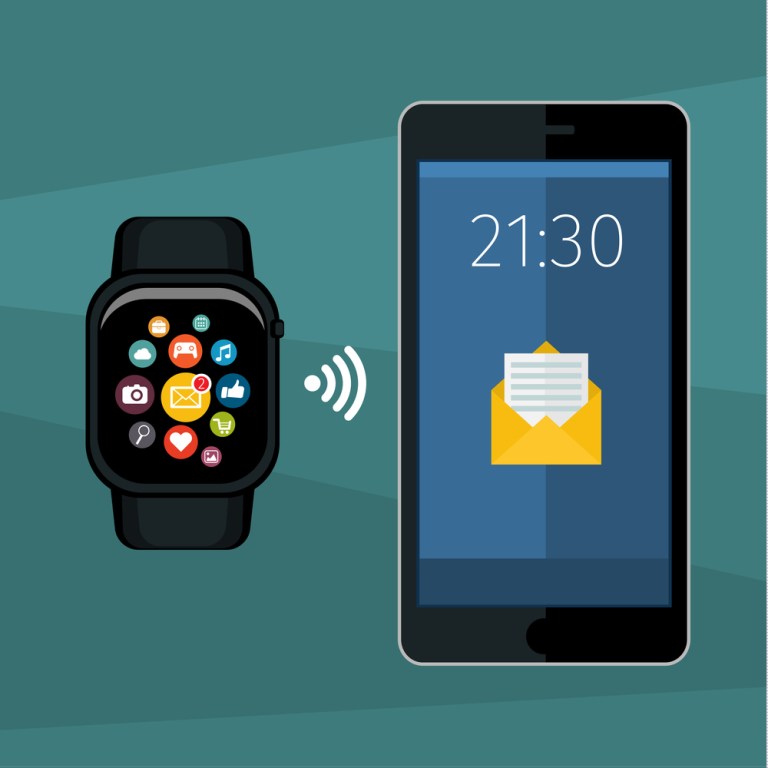
Samsung Electronics, the South Korean technology giant, is bringing its mobile payments platform to three new countries and will also debut Samsung Pay across its Gear S2 smartwatches, the company said Wednesday (Jan. 6).
As Reuters reported, the company noted on its Twitter account that the payments service will be “coming soon” to Brazil, Singapore and Australia. As had been widely noted, upon the launch of Samsung Pay last year in the United States and South Korea, the company was looking for new markets, with interest in Spain, the United Kingdom and China.
The Gear S2 watches will offer Samsung Pay in the U.S and South Korea this year, Reuters recapped. The hint came out that the watches would also offer compatibility with Apple hardware.
[bctt tweet=”The Gear S2 watches will offer Samsung Pay in the U.S and South Korea.”]
Elsewhere, as The Wall Street Journal noted, the electronics giant said it would make the smartwatch compatible with Apple’s iOS, according to at least one VP at Samsung. The company said it will put forth continued efforts to support the Tizen operating system.
Looking at the bigger picture of device hierarchy, noted WSJ, smartwatches are “increasingly being seen as accessories” relative to more traditional hardware, such as smartphones. In a nod to the cross-functionality of the devices, Google said last year that Android Wear watches would work with Android devices, as well as iPhones.
Advertisement: Scroll to Continue
As noted by the publication, Samsung and Apple have both rivalries and partnerships in place, and so a complex relationship has developed. The companies’ phones are in competition, but they do share components across both companies. WSJ gave nod to the continued legal dispute centering on patents, which may eventually be headed for the United States Supreme Court.