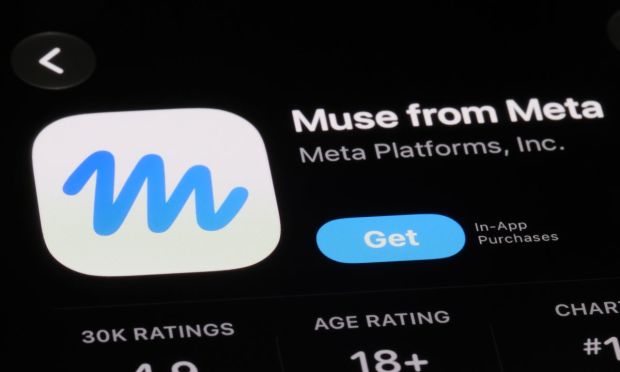
Meta CEO Mark Zuckerberg has found a new centerpiece for the company’s artificial intelligence ambitions: Muse, a personal AI agent he is positioning as the foundation for everything from shopping and advertising to enterprise software and smart glasses.
After earlier AI efforts struggled to establish Meta as a frontier AI leader, Zuckerberg used the company’s third-quarter earnings call on Wednesday (Oct. 21) to present Muse as evidence that its strategy is coming together.
More than 10 million people in the United States and Canada have set up Muse in six weeks, with roughly 25% using it daily. Zuckerberg said early engagement is more than twice the level Threads achieved at launch.
“Muse is the product form of this vision,” Zuckerberg said, referring to his ambition to deliver personal superintelligence.
Commerce is emerging as Muse’s biggest use case. More than a quarter of users shop through the agent, with an average purchase exceeding $200. Zuckerberg said Stripe had to raise credit limits during the first week because transaction volumes exceeded expectations.
We’d love to be your preferred source for news.
Please add us to your preferred sources list so our news, data and interviews show up in your feed. Thanks!
Meta wants to collect merchant transaction fees, sell subscriptions and offer enterprise AI services. But access to commerce platforms remains a hurdle. Amazon blocked Muse in September, citing security concerns, while JPMorgan Chase, Bank of America, Charles Schwab and other major banks are restricting outside agents from moving customer money, PYMNTS reported.Those restrictions could limit Meta’s ability to turn shopping activity into transaction revenue.
Muse is also becoming central to Meta’s existing operations. The company is moving content-understanding systems onto its own models, reducing per-unit processing costs by more than 80% in offline evaluations. Zuckerberg also wants Muse to power Meta’s glasses, shifting Reality Labs toward AI-powered wearables and away from its previous emphasis on virtual reality hardware.
The financial challenge remains substantial. Meta spent $34.9 billion on capital expenditures during the quarter and reported negative free cash flow of $2.1 billion.
Muse is expensive to operate. Zuckerberg said Meta needs more than a tenfold improvement in compute efficiency over the next year to make the economics work at scale. The company has delayed a global rollout partly because of those costs and expects to monetize Muse earlier than its usual product playbook. Meta has not disclosed its current per-user operating cost.
The company reported $64.6 billion in quarterly revenue, up 26%, underscoring the advertising business’s role in financing that ambition.
Zuckerberg is betting Muse can do more than revive Meta’s AI ambitions. He wants it to become the business that makes those investments pay off. Whether it can generate enough revenue to justify the spending remains unproven.
For all PYMNTS AI coverage, subscribe to the daily AI Newsletter.


 Add as Preferred Source