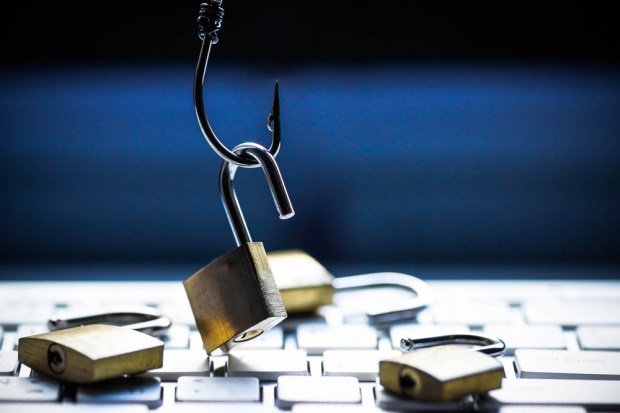
The business cybersecurity company issued a notice on its blog on Tuesday (Aug. 21) that clients of NAB and American Express are the targets of a phishing scam. Attackers send an email to customers using NAB and Amex logos warning that their payment cards are “now locked,” and directs them to a link to a fake online banking portal. The false login page prompts victims to enter their user ID and password, enabling attackers to steal credentials and bank card details.
NAB is advising customers to contact the bank if they recently responded to any suspicious texts or email messages.
Reports in Smart Company said that in both phishing scams, attackers send the messages from what are clearly non-official email addresses. Attacks using financial service providers’ logos are common. NAB has reportedly issued five warnings about phishing scams using its logo in August alone, reports said.
The publication noted that the Australian Competition and Consumer Commission (ACCC) revealed that $3.45 million was stolen from Australian businesses last year via phishing scams, a 23 percent increase from 2016.
“Scammers don’t discriminate and businesses have what scammers want: money,” ACCC Deputy Chair Michael Schaper said in a notice in May. “They’ll use a variety of cons to swindle busy workers, and it can be very devastating to a business’ bottom line.”
In an interview with the publication, Combo Founder David Markus advises individuals not to share sensitive information when they receive suspicious inquiries.
“If someone sends you something that you click on and it wants you to enter your password, don’t,” he said. “Go via the company’s homepage or however you would usually check your account. Never follow any links in emails that ask for your username or password.”