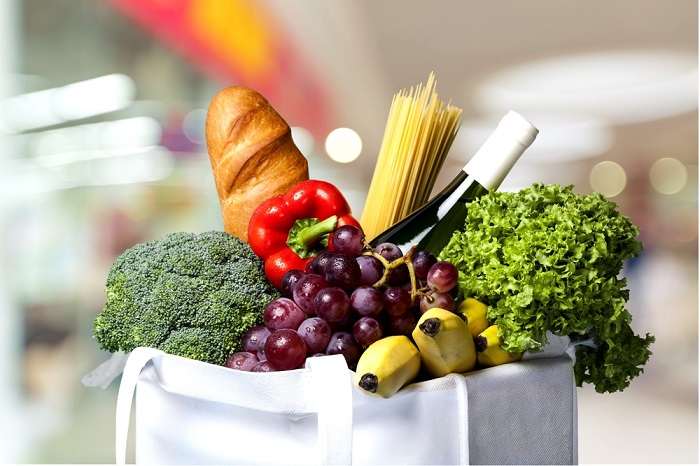
Supermarket prices rose about 1 percent in July in the United Kingdom, the second straight month prices have increased, which seems to suggest more fallout from the U.K.’s controversial Brexit vote to leave the European Union.
According to a Reuters report, the cost of 35 “popular” products on the website mySupermarket.co.uk rose from £82.83 in June to £83.44 in July. The rising costs are being fueled by more expensive imported items. Pasta rose by 10 percent, onions by 9 percent and pasta sauce by 6 percent, according to Reuters.
Those prices were still about 2.5 percent cheaper than they were this time last year, though, Reuters noted.
MySupermarket is the U.K.’s third most popular online grocery destination, behind Tesco and Asda, but its price trackers track about 5,000 products sold across all the major grocery store chains in Britain.
But this could just be the beginning of the bad news to hit the U.K. in the wake of the June 23 Brexit vote.
The price of sterling has dropped about 10 percent against both the dollar and euro since the vote, while annual British consumer price inflation was at 0.5 percent in June, the highest rate since Nov. 2014, according to Reuters.
Advertisement: Scroll to Continue
As the impact of the Brexit vote on consumers and the British economy becomes more apparent over the next few months as more and more economic data since the vote is released, it could mean more gloom and doom for the U.K.