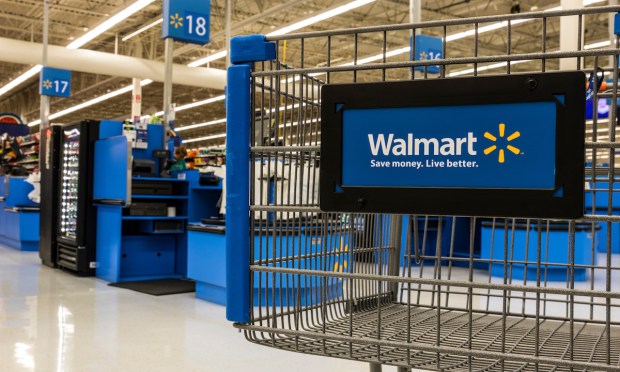
The two largest retailers in the U.S. are rethinking the role of physical presence in an era defined by logistics, data and services.
As the headlines this week underscore, Amazon is retrenching from experimental brick-and-mortar experiences by narrowing its physical ambitions to formats that directly reinforce its logistics and private-label ecosystem, closing all Amazon Go and Amazon Fresh stores (72 nationwide) as well as ending its palm ID system for retail per a Tuesday (Jan. 27) announcement. The eCommerce giant’s physical footprint isn’t being given up on though, with plans to turn certain locations into Whole Foods.
At the same time, Walmart is finding new and ever-stickier ways to treat its vast store network as an underutilized asset capable of supporting new service lines well beyond traditional retail. A Wednesday (Jan. 28) announcement reveals the retailer growing its pharmacy team in a healthcare push that will also see Walmart roll out clinical research sites this spring in a limited number of stores and former shuttered clinic sites.
The contrast between Amazon and Walmart’s moves this week highlights two distinct philosophies of scale. Amazon is optimizing for speed, efficiency, and focus. Its physical investments are increasingly invisible to consumers, embedded in fulfillment centers and delivery networks that prioritize convenience over experience. When Amazon does operate stores, as with Whole Foods, it prefers formats that already align with its brand and capabilities while it tries to gain share in grocery.
Walmart, on the other hand, is exploiting the visibility and reach of its stores as a strategic advantage. Rather than minimizing the complexity of physical retail, it is embracing it, layering services and experiences onto locations that already exist.
Neither approach is inherently superior. Amazon’s retreat from experimental retail may free up capital and managerial attention, but it also concedes ground in the race to define the future of in-person shopping experiences outside of the grocery category. Walmart’s expansion into healthcare could unlock new growth, but it requires sustained investment and operational excellence in an area far removed from selling groceries and household goods.
See also: Grocery Spending Moves Online as Affordability Concerns Rise
Retreat, Recommitment and Rewriting Physical Retail
Amazon’s decision to close all Amazon Go and Amazon Fresh stores marks the end of a decade-long effort to reinvent convenience retail under its own banner.
Amazon Go and Amazon Fresh were conceived as showcases for Amazon’s technical and logistical capabilities.
- Amazon Go was designed to eliminate checkout entirely, using computer vision, sensors and machine learning.
- Amazon Fresh aimed to create a mass-market grocery chain tightly integrated with Prime, online ordering and dynamic pricing.
Neither concept achieved the scale or economics Amazon sought.
- Store-level profitability remained elusive.
- Operations were complex and labor-intensive, even with automation.
- Consumer behavior did not shift decisively enough to justify continued expansion.
But if Amazon is stepping away from experimental stores, it is doing so in service of a more focused ambition: making same-day delivery ubiquitous. The company has framed this shift as a reallocation of resources rather than a retreat from retail. Warehouses, last-mile delivery hubs and logistics software now function as Amazon’s primary physical interface with customers.
This does not mean Amazon is abandoning physical presence altogether. The commitment to open more than 100 new Whole Foods stores suggests that the company still sees value in premium grocery as a strategic category.
The layoffs Amazon announced this week reinforce that shift. After years of pandemic-era expansion, Amazon is now firmly in an “eat your own AI dog food” phase: automating internally, reallocating labor and demanding clearer returns on investment.
See also: Amazon Broadens AI Reach as Walmart Refocuses Its Retail Engine
Walmart Is Adding Healthcare to Retail Flywheel
While Amazon is streamlining, Walmart is expanding the scope of what its stores can be, making one of its most serious long-term bets on healthcare.
- The company is growing its pharmacy workforce as part of an expanded healthcare strategy. Pharmacies already exist at many Walmart locations.
- It will launch clinical research sites this spring in a limited number of stores and former clinic locations.
- Expanding pharmacy staffing strengthens a business that drives frequent visits and recurring revenue.
- Healthcare services offer higher margins and deeper customer relationships than many retail categories.
Healthcare is not a side project. It’s a land grab, and one where Amazon already operates. Much like grocery, the category is massive, habitual and defensible once customers are embedded. Walmart’s stores, already destinations for weekly shopping, can become platforms for care, prescriptions and ongoing interaction.
Walmart’s ambitions are not confined to healthcare. Its newly announced partnership with Major League Soccer adds a cultural and media dimension to its strategy. Co-branded Saturday games will integrate Walmart’s brand into live sports broadcasts, creating opportunities for merchandising, promotions, and in-store activations tied to the matches.