
Digital Freelancers Find More Work and New Pressure on Pay
The Wage to Wallet™ Index: Platform Workers Adopt AI as Demand Changes
More work should mean more pay. AI is complicating that bargain for digital freelancers as clients change what they need and what they’ll spend. A new PYMNTS Intelligence and WorkWhile report shows how workers are responding.
Inside the September Index
- Work is holding up for many digital freelancers. Some 45% report more work than a year ago, while 15% report less.
- AI is changing what clients want and what they’ll pay. Among digital freelancers, 36.6% were asked to fix or finish AI-produced work, while 28.7% faced requests to lower their rates because AI could do the work more cheaply.
- Workers are adjusting their approach. Digital freelancers have started using AI in response to changing platform conditions. Others sought local work or traditional jobs.
Wage to Wallet™
-
 The Labor Day Ledger: Five Findings from America’s Hourly Workforce
-
 The Wage to Wallet™ Index: Paid Time, Unpaid Risk
-
 The Labor Economy Follows a Different Consumer Playbook
-
 When the Drive Isn’t Worth the Pay: How Fuel Costs Reshape Who Can Afford to Work
-
 Wage to Wallet Index™ – The Schedule Shock: How Unstable Hours Turn Paychecks Into Guesswork
-
 Wage to Wallet™ Index – The Resilience Deficit: Labor Workers in an Automated Economy
-
 Wage to Wallet™ Index – Never Quite Enough: How 30 Million Workers Borrow from Tomorrow to Pay for Today
-
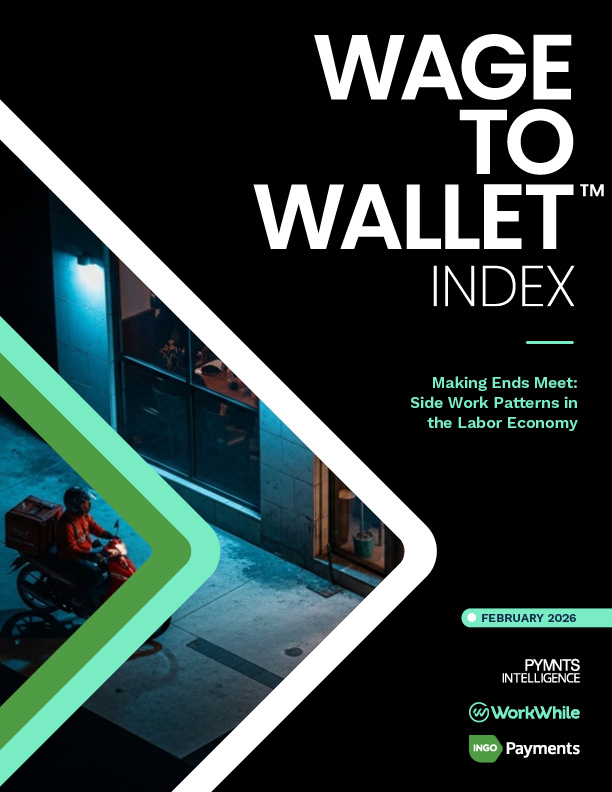 Wage to Wallet™ Index: Side Work Patterns in the Labor Economy
-
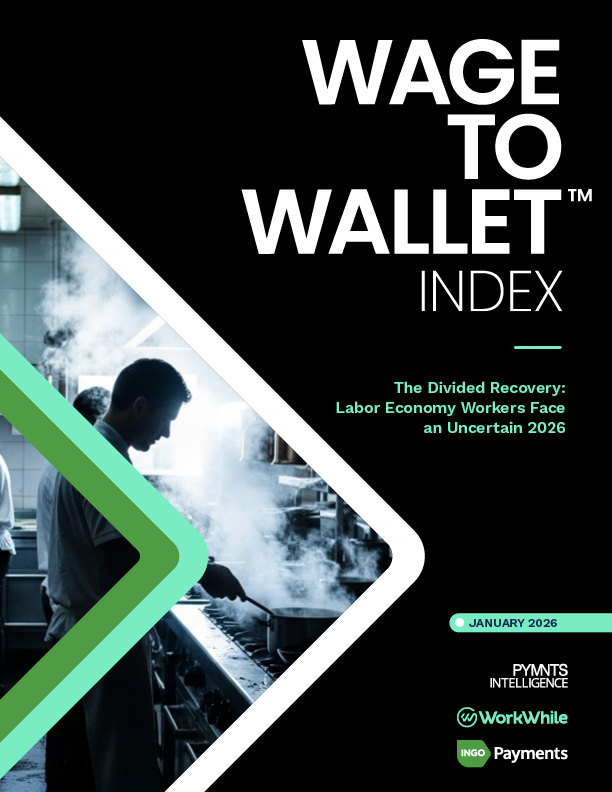 Wage to Wallet™ Index: The Divided Recovery: Labor Economy Workers Face an Uncertain 2026
-
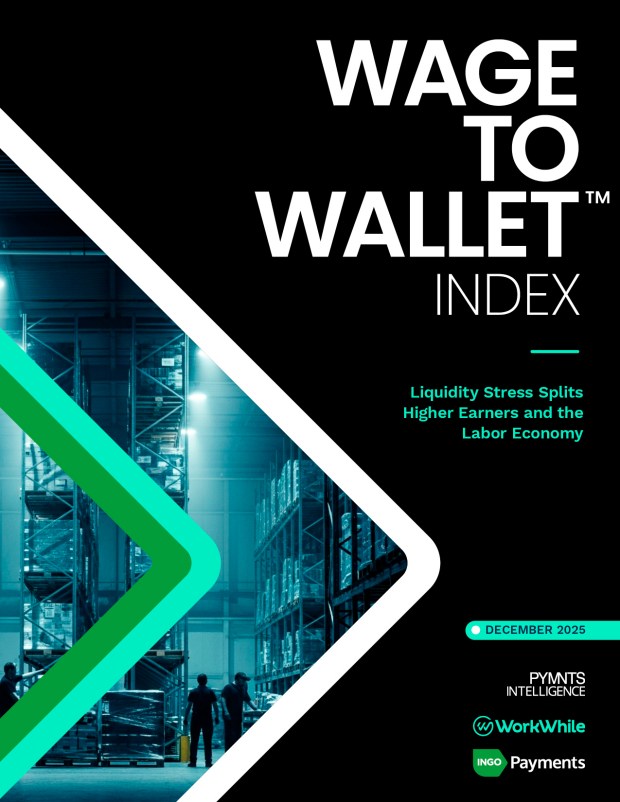 Wage to Wallet™ Index: Liquidity Stress Splits Higher Earners and the Labor Economy
-
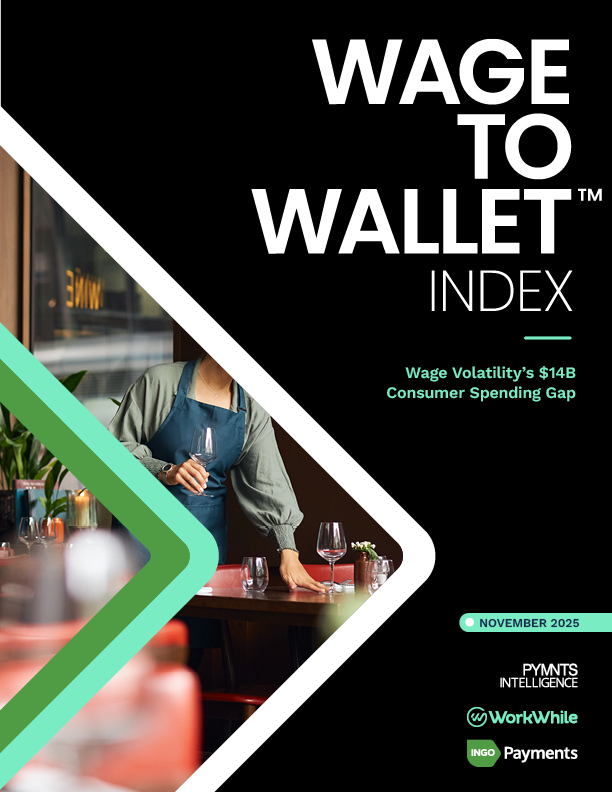 Wage to Wallet™ Index: Wage Volatility’s $14B Consumer Spending Gap
-
 Wage to Wallet Index™: Measuring the Labor Economy’s Impact on U.S. Financial and Economic Health
-
 Wage to Wallet™ Index: Measuring the Labor Economy’s Impact on U.S. Financial and Economic Health