
Sick Days Put Labor Economy Paychecks and Spending at Risk
The Wage to Wallet™ Index: Paid Time, Unpaid Risk
PYMNTS Intelligence surveyed 2,235 U.S. consumers to learn how paid sick leave affects Labor Economy households. Workers across income groups go to work sick at nearly the same rate, but a missed shift can leave a much bigger mark on some paychecks.
Inside the August Index
- Just 49.8% of Labor Economy employees have paid sick leave, compared with 62.3% of non-Labor Economy workers. Roughly 30% of both groups went to work sick during the past 90 days.
- More than one-quarter of Labor Economy workers lost pay because of illness or injury in the past year, compared with 15.9% of non-Labor Economy workers.
- When job or income concerns rise, 43% of Labor Economy households cut nonessential spending. Only 35.5% of non-Labor Economy households do the same.
Wage to Wallet™
-
 The Wage to Wallet™ Index: Platform Workers Adopt AI as Demand Changes
-
 The Labor Day Ledger: Five Findings from America’s Hourly Workforce
-
 The Labor Economy Follows a Different Consumer Playbook
-
 When the Drive Isn’t Worth the Pay: How Fuel Costs Reshape Who Can Afford to Work
-
 Wage to Wallet Index™ – The Schedule Shock: How Unstable Hours Turn Paychecks Into Guesswork
-
 Wage to Wallet™ Index – The Resilience Deficit: Labor Workers in an Automated Economy
-
 Wage to Wallet™ Index – Never Quite Enough: How 30 Million Workers Borrow from Tomorrow to Pay for Today
-
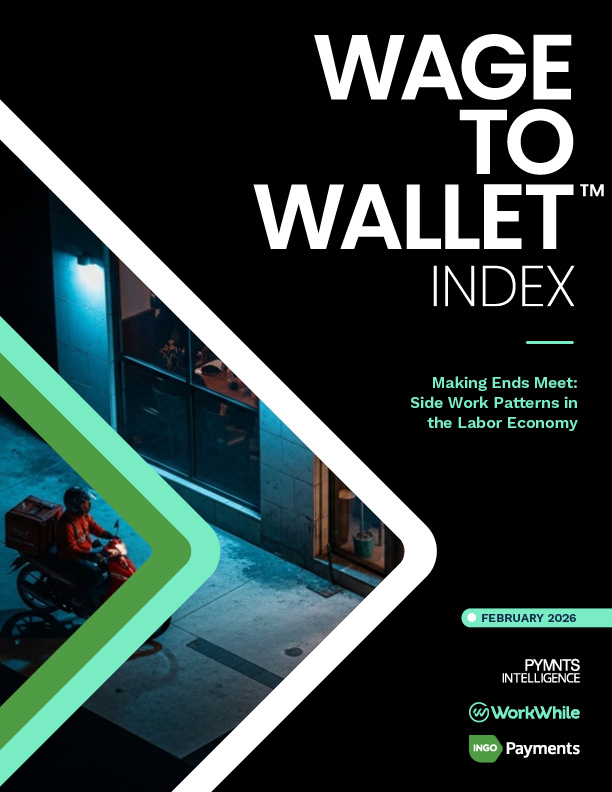 Wage to Wallet™ Index: Side Work Patterns in the Labor Economy
-
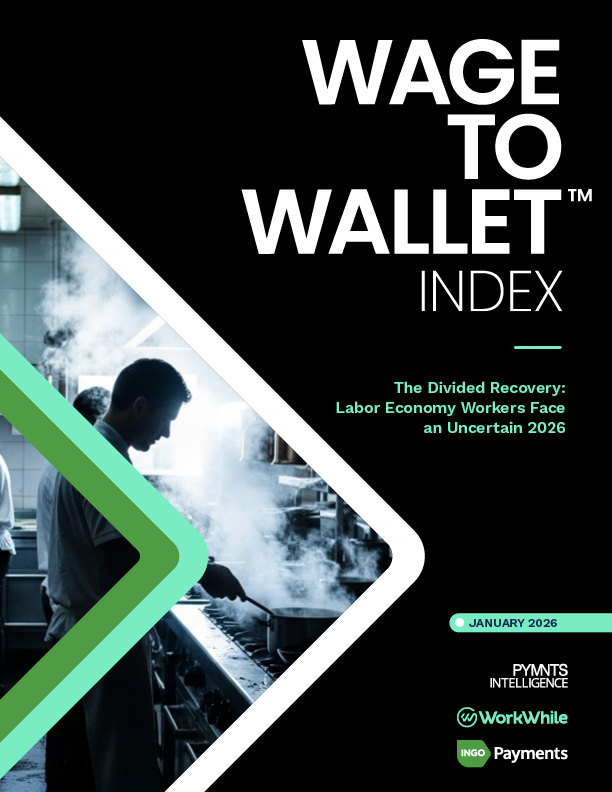 Wage to Wallet™ Index: The Divided Recovery: Labor Economy Workers Face an Uncertain 2026
-
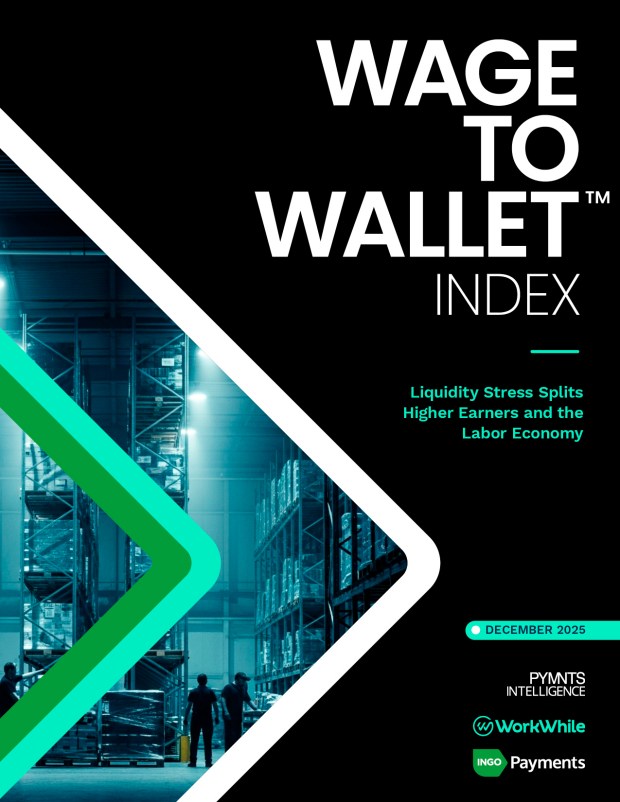 Wage to Wallet™ Index: Liquidity Stress Splits Higher Earners and the Labor Economy
-
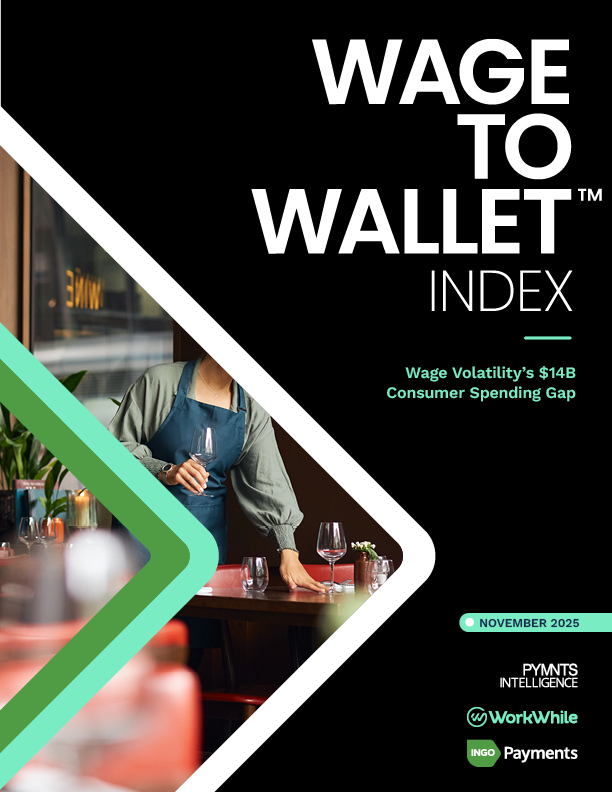 Wage to Wallet™ Index: Wage Volatility’s $14B Consumer Spending Gap
-
 Wage to Wallet Index™: Measuring the Labor Economy’s Impact on U.S. Financial and Economic Health
-
 Wage to Wallet™ Index: Measuring the Labor Economy’s Impact on U.S. Financial and Economic Health