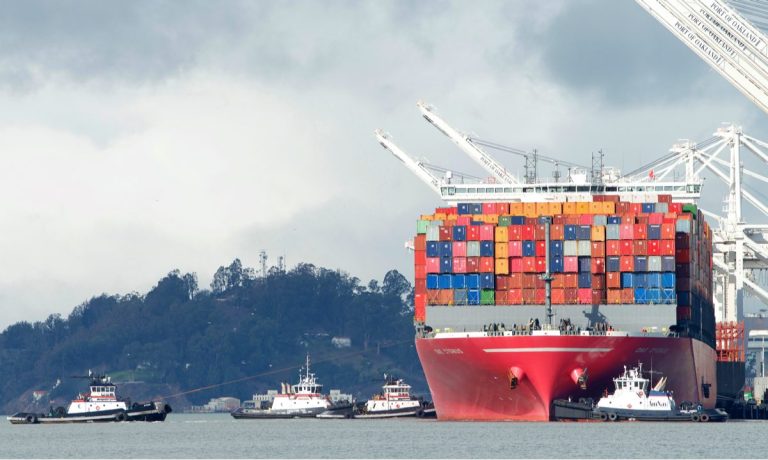
Supply chain disruptions will likely not be concerning in a few months, according to J.P. Morgan’s Jamie Dimon and other powerful bank CEOs, the Financial Times (FT) reported.
Current snarls “will not be an issue next year at all,” Dimon said, per the report. “This is the worst part of it, and the great market system will adjust for it.”
Meanwhile, Bank of America CEO Brian Moynihan said supply chain issues have gotten worse than initially anticipated, which surprised him, according to the report. Wells Fargo CEO Charlie Scharf said he is similarly stunned, but he said he thinks the problems are “transitory.”
J.P. Morgan, Wells Fargo and others are always in touch with commercial clients and have been kept abreast of economic concerns, the report stated.
Scharf said what banks “have to protect against is people making decisions that exacerbate the problem, which is trying to add to inventories too quickly.” He said big banks likely understand the “intricate interconnectedness” of the supply chain better than many, according to the report.
The comments came as the President Joe Biden administration considers the possibility that supply chain bottlenecks could affect the economic recovery, the report stated. In June, the administration created a supply chain disruption task force to try to solve the issues in areas like transportation, food processing and semiconductors. But the problems remain.
Advertisement: Scroll to Continue
Biden plans to meet with top officials and other stakeholders Wednesday (Oct. 13) to talk about the issues, according to the report.
Supply chains have been facing myriad issues, including deficiencies of labor, commodities and transportation due to the pandemic in many cases.
Read more: Industries Try Allocations, Alternate Vendors and New Forms of Transportation to Work Around Supply Chain Problems
Some suppliers have begun shifting priority of their stilted production capacity to only the top selling items, putting purchase caps in place on grocery stores and distributors for some products.