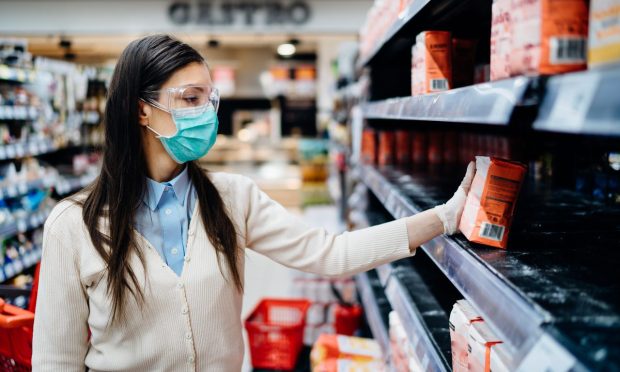
With a greater demand for groceries, high freight costs and labor shortages spurred by omicron, Reuters reported Sunday (Jan. 16) that processed food and fresh product companies have seen more backlogs, resulting in barren supermarket shelves.
That is occurring even at the biggest retailers in the U.S. Meanwhile, growers of perishable produce across the West Coast have been paying almost triple pre-pandemic trucking rates for shipping common items like lettuce and berries.
Conagra Brands CEO Sean Connolly, whose company owns the frozen vegetables brand Birds Eye, said last week that supplies from U.S. plants would be constrained for at least another month because of omicron-related absences.
According to Shay Myers, CEO of Owhyee Produce, transportation disruptions in the last week because of absent drivers — as well as winter weather obstacles — had doubled freight costs for fruit and vegetable prices, even from the already-inflated pandemic prices.
Out of stock levels are running at 15% for food products, according to the Consumer Brands Association.
Additionally, U.S. grocery distributor SpartanNash said it’s become more difficult to get supplies from food manufacturers, particularly processed items like cereal and soup.
These disruptions have led to backlash from social media shoppers, who have complained about empty shelves and out-of-stock products at various stores across the U.S.
However, the situation is not expected to get better soon, and Katie Denis, vice president of communications and research at the Consumer Brands Association, said labor scarcity was to blame.
PYMNTS recently reported that big companies, including Amazon and Walmart, have been striving to deliver groceries amid these shortages.
See also: AMZN vs WMT Weekly: Rivals Aim to Deliver Groceries That Many Consumers Can’t Find
Walmart Global Communications Director Lauren Willis said there were “pockets of lower than normal availability” in some items, depending on the local area.
Despite these shortages, the buying power, warehousing and logistical capabilities of larger companies like Walmart are advantages in the field that smaller companies don’t have.