
Anti-money laundering (AML) refers to a set of laws, regulations, and procedures intended to prevent criminals from disguising illegally obtained funds as legitimate income. Though anti-money-laundering laws cover a relatively limited range of transactions and criminal behaviors, their implications are far-reaching.


In a move that signals a major change for Switzerland’s financial services industry, the Swiss government intends to establish a central registry to track ownership...

The recent discovery by Amsterdam-based cybersecurity firm ThreatFabric that criminals are using Android banking trojans to exploit vulnerabilities in BNPL apps to make fraudulent purchases...
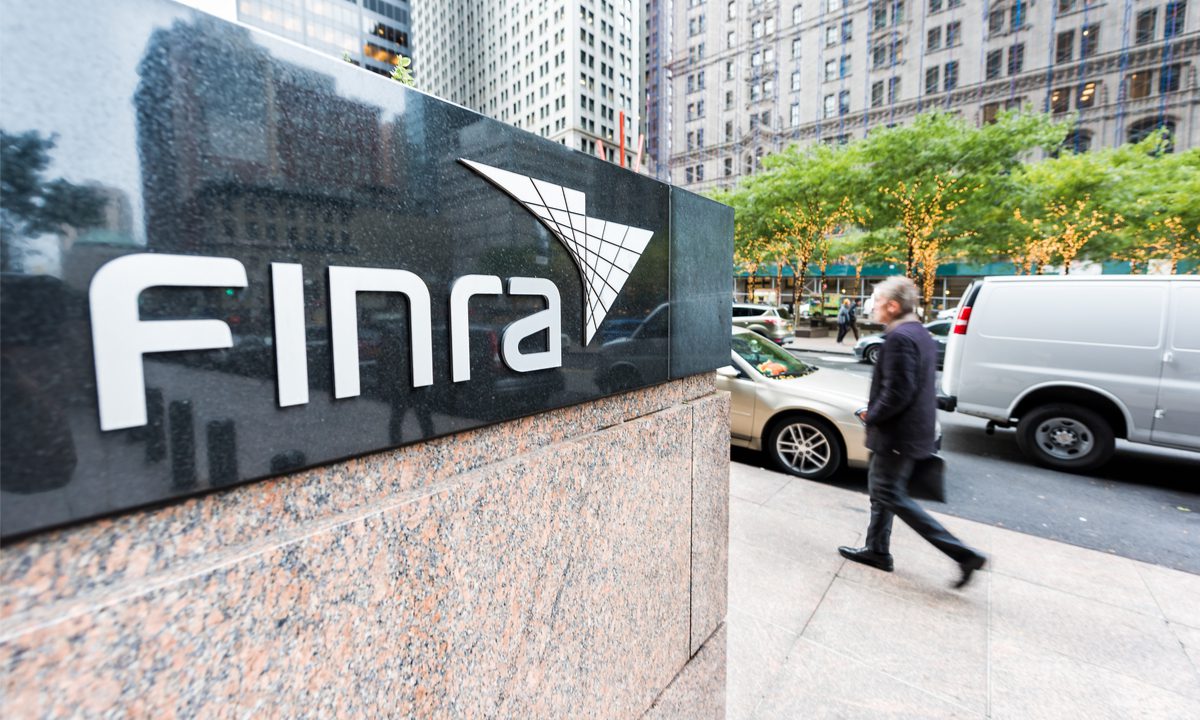
The Financial Industry Regulatory Authority (FINRA), a Wall Street regulator, has issued new guidance for broker-dealers on the penalties they could face for violating anti-money...

In a speech at a conference on finance tokenization, François Villeroy de Galhau, governor of the Banque de France, said the bank is working on...

Italy’s Metoda Finance has partnered with German cloud-banking platform Mambu to improve regulatory compliance for Italian financial institutions (FIs) making the digital transformation, a press...

A few words sum up the state of fraud and the challenges facing financial institutions (FIs): rising at a fast clip. In the report “The...

A proposed law in the U.K. will make it easier for law enforcement to seize, freeze and recover cryptocurrency used by criminals to launder profits...

Today in the connected economy, Nasdaq is reportedly examining companies’ initial public offerings (IPOs) after some companies saw massive gains and big drops in quick...