
Anti-money laundering (AML) refers to a set of laws, regulations, and procedures intended to prevent criminals from disguising illegally obtained funds as legitimate income. Though anti-money-laundering laws cover a relatively limited range of transactions and criminal behaviors, their implications are far-reaching.


The European Banking Authority (EBA) says banks in the European Union are blocking asylum seekers and other customers in misguided attempts to adhere to anti-money...
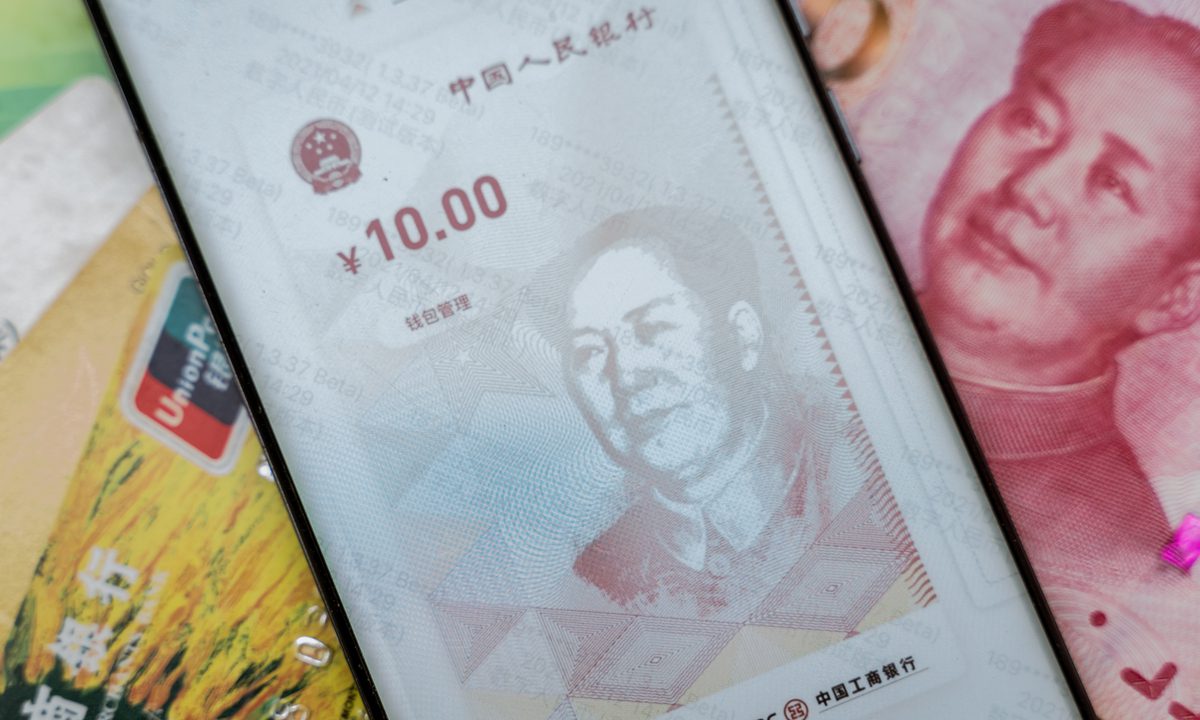
China today (Jan. 4) released its digital yuan wallet on Apple’s App Store and on Google Android app stores in the country. The e-CNY app...

New draft legislation for virtual asset service providers (VASPs) in Estonia will not ban customers from owning or trading cryptocurrency, but the proposed requirements could...

Problems around money laundering and tax evasion persist worldwide, and it’s clear that the regulatory landscape designed to prevent them from happening isn’t as robust...

Being able to identify your customers accurately and quickly is no longer something cryptocurrency companies can afford to ignore. Increasingly, having a strong know your...

The U.K.’s Financial Conduct Authority (FCA) has fined HSBC Bank £63,946,800 ($84.7 million) for “failings” in its anti-money laundering (AML) system. The FCA reported the...

The economy’s digital shift started long before the global health crisis, but the past 20 months have definitely accelerated digital-first trends in eCommerce and banking....

More digital banking services mean more of an opportunity for identity theft. In the AML/KYC Tracker, Tom Curran, chief risk and compliance officer at Upgrade,...