
Anti-money laundering (AML) refers to a set of laws, regulations, and procedures intended to prevent criminals from disguising illegally obtained funds as legitimate income. Though anti-money-laundering laws cover a relatively limited range of transactions and criminal behaviors, their implications are far-reaching.


Digital-first businesses were better equipped to take advantage of new market opportunities unleashed during the pandemic. In the past year, 92% of consumers made an...
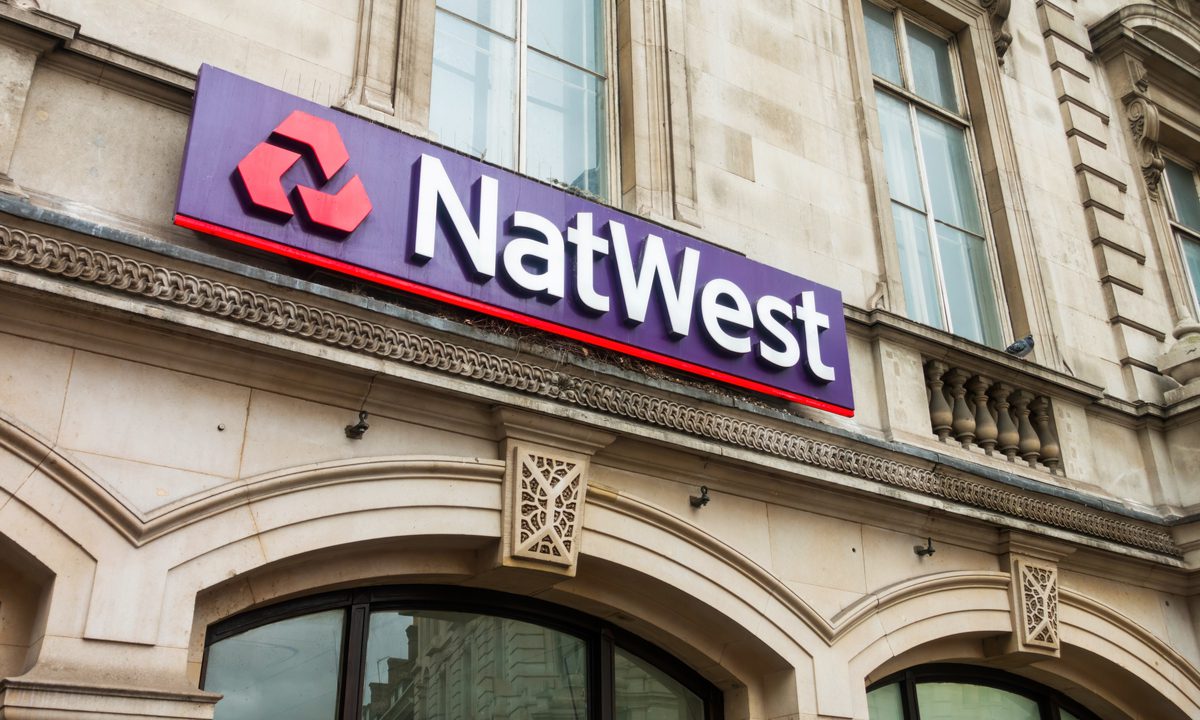
NatWest, a U.K. state-backed bank, must pay 265 million pounds (about $350 million) after pleading guilty to failing to prevent money laundering, Reuters reported. The...

The White House is looking for public input on ways to fight corruption in the U.S. real estate market, part of a larger project to...
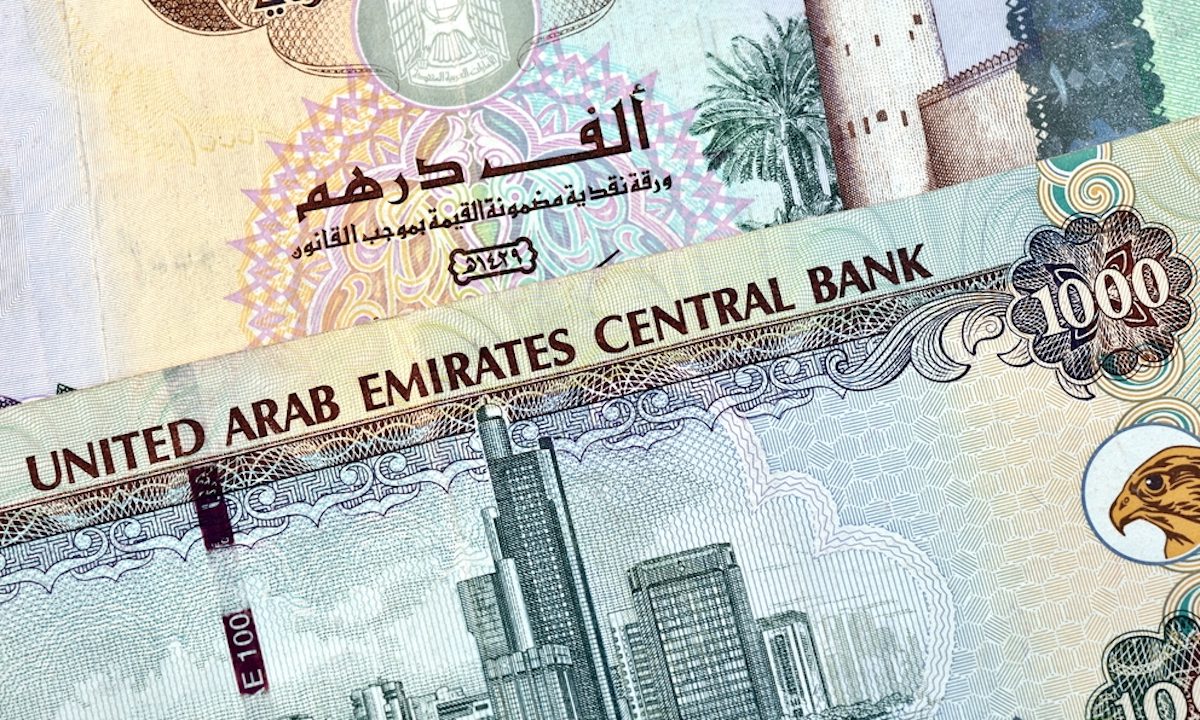
The central banks of Indonesia and the United Arab Emirates (UAE) have signed an agreement to boost payment system cooperation. As Open Gov Asia reported...

Digital identity verification is being put through its paces during the pandemic as remote onboarding of consumers keeps skyrocketing, bringing a reenergized wave of financial...

The Financial Crimes Enforcement Network (FinCEN) has rolled out its first priorities to fight money laundering and the financing of terrorism, according to a press...

New Zealand-based anti-money laundering (AML) company First AML has generated $21 million in a Series B funding round, the company announced in a Tuesday (Nov....

Banks and other financial firms in the U.K. are filing more Suspicious Activity Reports (SARs) than ever before, the Financial Conduct Authority (FCA) indicated in...