
Anti-money laundering (AML) refers to a set of laws, regulations, and procedures intended to prevent criminals from disguising illegally obtained funds as legitimate income. Though anti-money-laundering laws cover a relatively limited range of transactions and criminal behaviors, their implications are far-reaching.


The timing seems about right. As a brand-new decade looms – one that promises great strides for digital payments and commerce – digital ID, already...

Get the Full Story Complete the form to unlock this article and enjoy unlimited free access to all PYMNTS content — no additional logins required....
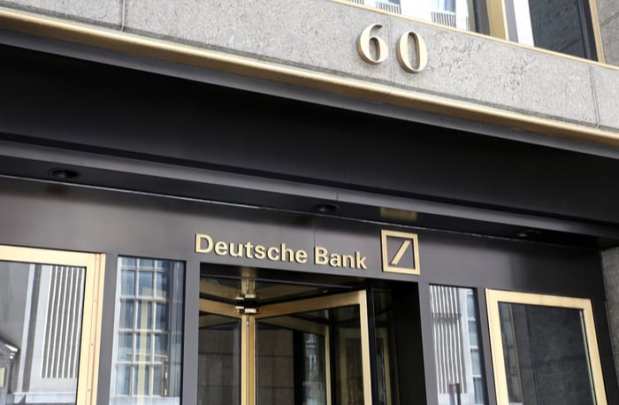
Deutsche Bank officials in the U.S. reported to federal regulators that it was concerned about a business deal with Russia, The New York Times reported...

Jumio has announced the beta release of Jumio Go, the company’s first real-time, fully automated identity verification solution. Get the Full Story Complete the form...
The head of the Financial Crimes Enforcement Network (FinCEN) has warned FinTech firms that they must abide by anti-money laundering (AML) laws. Get the Full...

Regulatory pressures and market forces are pushing the world’s financial institutions (FIs) to ramp up their anti-money laundering (AML) strategies. As this month’s PYMNTS Digital...

Recent scandals involving Deutsche Bank and Swedbank have made consumers reconsider their trust in financial institutions, many of which are scrambling to keep fraudsters out...

Money laundering and similar forms of fraud have become more concerning for FIs as reports of cybercrime circulate globally. Between $800 billion and $2 trillion...