
Anti-money laundering (AML) refers to a set of laws, regulations, and procedures intended to prevent criminals from disguising illegally obtained funds as legitimate income. Though anti-money-laundering laws cover a relatively limited range of transactions and criminal behaviors, their implications are far-reaching.


Money laundering and similar forms of fraud have become more concerning for FIs as reports of cybercrime circulate globally. Between $800 billion and $2 trillion...

U.S. financial regulators have warned firms with registered digital assets that they must follow securities laws to prevent money laundering, as well as report any...

Direct-to-consumer (DTC) brands are putting a new spin on athleisure wear, inspired by the CBD-based wellness trend. In restaurant technology, cloud kitchens have emerged as a new model driven...

Lax anti-money laundering (AML) systems have cost FIs more than $8 billion in fines this year alone — and maintaining compliance without compromising the user...

Get the Full Story Complete the form to unlock this article and enjoy unlimited free access to all PYMNTS content — no additional logins required....

Cyberthreats are increasing, and are playing out on a global stage. Credit cards are at risk, of course, but so are smart grids, oil pipelines...

Police in Brazil have raided the residences of managers of Banco do Brasil in connection to their part in a money-laundering scam worth $48 million....

Netherlands bank ABN Amro revealed on Thursday, Sept. 26, that the Dutch public prosecutor is investigating possible money laundering and terrorist financing activities, according to...
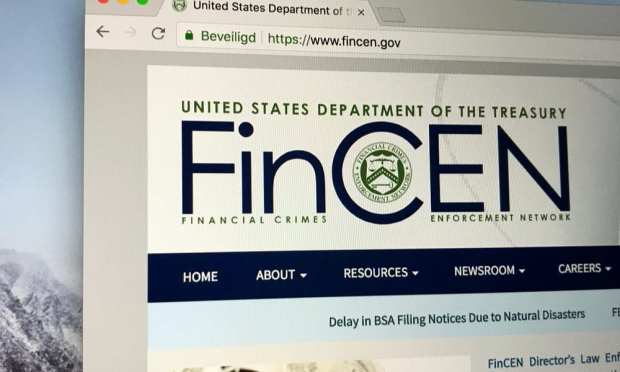
The director of the Financial Crimes Enforcement Network (FinCEN), Kenneth A. Blanco, gave a speech at the 2019 Federal Identity (FedID) Forum and Exposition on...