
Anti-money laundering (AML) refers to a set of laws, regulations, and procedures intended to prevent criminals from disguising illegally obtained funds as legitimate income. Though anti-money-laundering laws cover a relatively limited range of transactions and criminal behaviors, their implications are far-reaching.


Financial crimes risk management software company Quantifind and Oracle Financial Services have teamed up to improve anti-money laundering (AML) compliance and to add intelligence and...

There are many forms of nationalism. Ethnic nationalism. Cultural nationalism. Get the Full Story Complete the form to unlock this article and enjoy unlimited free access...

Facebook’s Libra project has renewed focus on how cryptocurrencies are regulated, with current rules on the sector patchy and varying from country to country. Get...
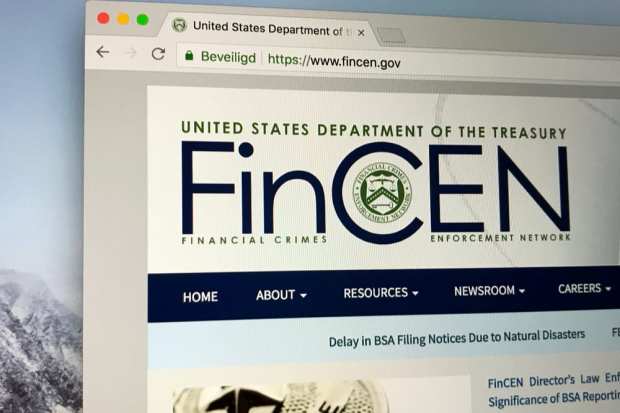
Jamal El-Hindi, the deputy director of the Financial Crimes Enforcement Network (FinCEN), spoke at the 2019 Money Transmitter Regulators Association Annual Conference on Wednesday (Sept....

The regulatory landscape has become stricter – and more expensive – as enterprises and FIs grapple with fraudsters and seek to protect data and dollars. In...

The Paris-based Financial Action Task Force (FATF), an organization which acts as the standard-setter for anti-money laundering (AML) standards around the globe, said it is...

Today in the payments news roundup, Stripe is rolling out its offerings in eight new European countries. Also, the new iPhones and the rest of Apple’s...