
Anti-money laundering (AML) refers to a set of laws, regulations, and procedures intended to prevent criminals from disguising illegally obtained funds as legitimate income. Though anti-money-laundering laws cover a relatively limited range of transactions and criminal behaviors, their implications are far-reaching.


The last thing anyone wants to hear from a financial organization is that the people tasked with risk management are feeling less than confident about...
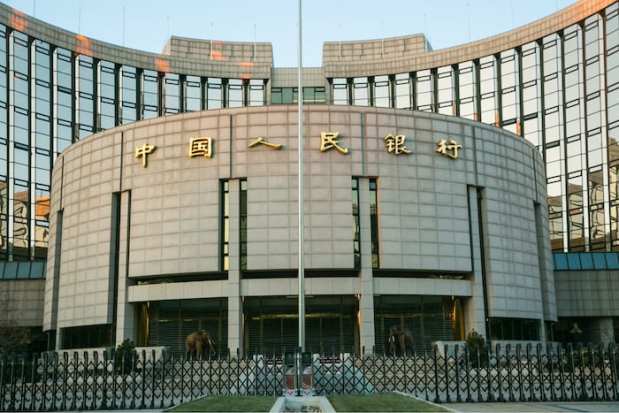
In an effort to clamp down on cross-border money laundering, the People’s Bank of China (PBOC) plans to bolster cooperation with other nations such as...

Nordea Bank’s Danish headquarters was raided and searched by the country’s state prosecutor for potential ties to illegal money laundering, according to a report in...

This past week saw the Consumer Financial Protection Bureau (CFPB) offer up highlights of Kathleen Kraninger’s six-month tenure as director. Get the Full Story Complete...
Latvia’s parliament has passed new regulation to bolster the fight against money laundering and terrorism financing. Get the Full Story Complete the form to unlock...
A European Union (EU) official has revealed that the European Commission (EC) is taking a close look into past money laundering cases at EU banks...

Dutch billionaire John de Mol, who created the reality TV program “Big Brother,” is suing Facebook for allowing fake ads which used his name and...

Get the Full Story Complete the form to unlock this article and enjoy unlimited free access to all PYMNTS content — no additional logins required....
UBS shed light this week on a persistent challenge in the traditional financial services industry. Get the Full Story Complete the form to unlock this...