
Anti-money laundering (AML) refers to a set of laws, regulations, and procedures intended to prevent criminals from disguising illegally obtained funds as legitimate income. Though anti-money-laundering laws cover a relatively limited range of transactions and criminal behaviors, their implications are far-reaching.


Amid controversy around an anti-money laundering system, Revolut CFO Peter O’Higgins resigned from the firm. O’Higgins didn’t mention the issue in his resignation statement, according to...

European Union lawmakers released a report on Wednesday (Feb. 27) recommending that the EU create a police unit dedicated to the investigation of tax and...
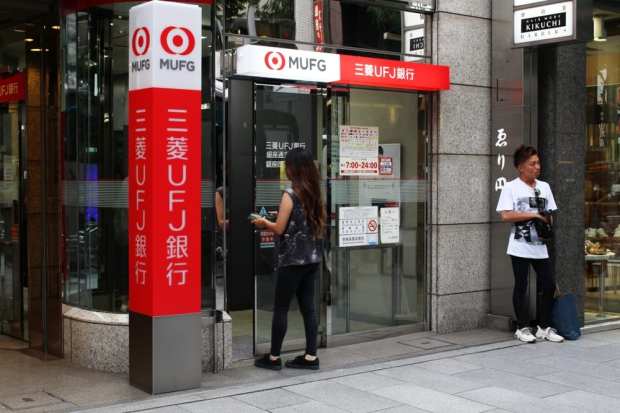
MUFG Bank, a Japan-based institution, announced on Friday (Feb. 22) that it was entering into a consent order with the U.S. Office of the Comptroller...
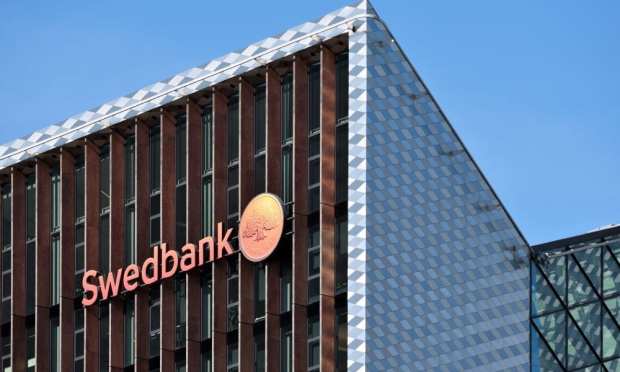
Estonia’s investigation of money laundering involving Danske Bank is widening to include Swedbank, according to a report by Reuters. Get the Full Story Complete the...

Since last year, when Canada legalized recreational pot in full, the nation became a kind of country-sized lab for how that new business would play...
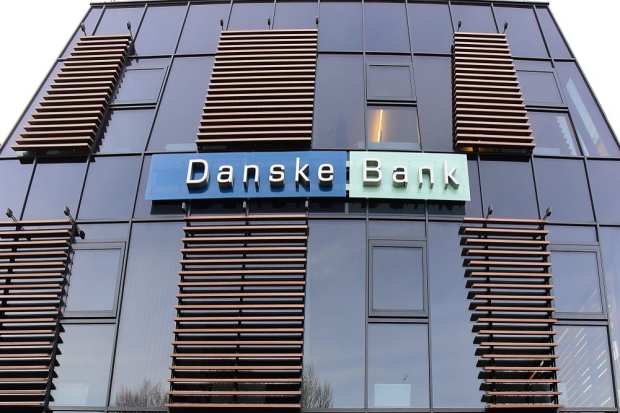
Danske Bank, which was involved in one of the biggest money laundering scandals of all time, will no longer do business in Russia or the...

An ex-Goldman Sachs banker who’s accused of being involved with a multibillion-dollar scandal in Malaysia has requested to be sent to the U.S. to face...
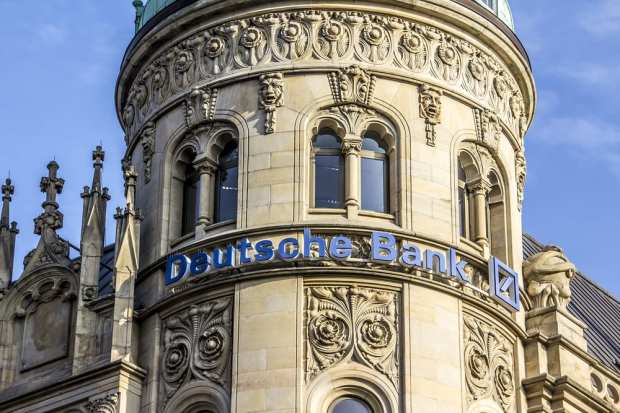
Bafin, the German financial watchdog that is monitoring Deutsche Bank’s involvement in the Danske Bank money laundering scandal, has asked the bank to review some...

Legal marijuana sellers want bank accounts just like any other business. Over the last two years, more than $500 million worth of cash deposits from...