
Anti-money laundering (AML) refers to a set of laws, regulations, and procedures intended to prevent criminals from disguising illegally obtained funds as legitimate income. Though anti-money-laundering laws cover a relatively limited range of transactions and criminal behaviors, their implications are far-reaching.


The global regulatory framework of cryptocurrencies and blockchain remains either fragmented, vague or simply nonexistent. However, Swiss officials recently took steps to get ahead of...

In the midst of cryptocurrency trading volatility, one more bank has backed away from a trading project — this time it is Barclays. As reported...

Amid the headlines detailing the billions of dollars in money laundering done through conduits like Danske Bank and Deutsche Bank, among others, a report shows...

The People’s Bank of China has announced new anti-money laundering (AML) and counter-terrorism financing regulations for online financial institutions (FIs). According to Reuters, the new...

CipherTrace noted in a report that digital currency theft has nearly topped $1 billion over the first three quarters of the year at $927 million,...

Danske Bank is among only the latest headlines tied to money laundering. However, according to one recent report, 90 percent of Europe's biggest banks have...
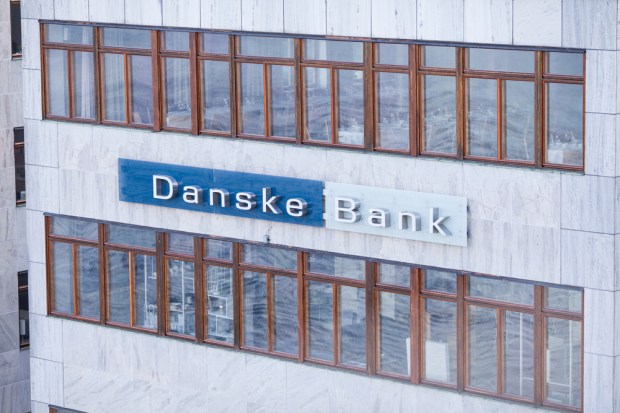
The European Union’s (EU’s) banking supervisor wants to know more about how Denmark’s financial watchdog supervised Danske Bank, which is being investigated by the U.S....

Investors shouldn’t shrug off fines against big banks that run afoul of banking regulations because they impact returns over the longer term. Get the Full...
Sure, the continuing-to-unfold scandal at Danske Bank has been shocking. However, as Akli Adjaoute, founder and CEO of Brighterion, tells Karen Webster, it’s not really...