
Anti-money laundering (AML) refers to a set of laws, regulations, and procedures intended to prevent criminals from disguising illegally obtained funds as legitimate income. Though anti-money-laundering laws cover a relatively limited range of transactions and criminal behaviors, their implications are far-reaching.

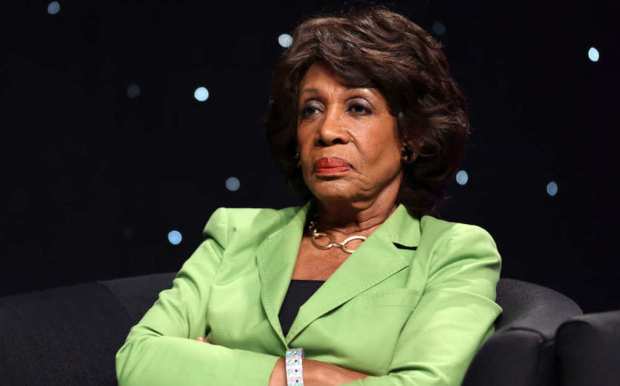
California Congresswoman Maxine Waters has some questions for the Treasury Department about what it intends to do to beef up security — particularly with regards...

In payments, innovation doesn’t always have to materialize in disruptive waves, but can come, rather, through incremental evolution. In an interview with Karen Webster, i2c...
Weeks after reports surfaced that some small business accounts at HSBC had been frozen, a result of the FI revamping anti-money laundering (AML) crackdowns, HSBC...
HSBC U.K. has reportedly frozen some small business (SMB) bank accounts, according to news reports from Reuters. Get the Full Story Complete the form to unlock...

Slow and steady doesn’t win the financial services race. If you’re not ahead, you’re behind, especially if you’re playing on the global stage. Get the...

Innovation in the tech industry moves pretty fast. If you don’t stop and look around every once in a while, you could miss it. In...

The Western Union Company and Arizona Atty. Gen. Mark Brnovich announced Monday (June 12) that they have successfully completed the secondary recommendations for the Southwest Border program,...
Cross-border B2B payments company PayCommerce is strengthening its compliance position through a new partnership with Dow Jones. Get the Full Story Complete the form to...

In an age where FinTech upstarts, payments companies and banks vie for the same customers, might regulations force them to collaborate? Get the Full Story...