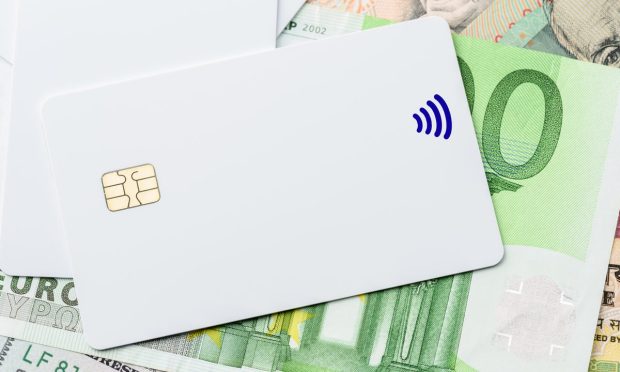
Thames Technology’s Fusion Card will be the first metal card with a dual interface to be manufactured in Europe, the company announced on its website.
The U.K.-based company said the development comes through Amatech IP, the standard technology for dual interface metal cards around the world.
The card will be well-suited for big volume issuance for mass market applications, the company said, and will be “an ideal solution” for card issuers and bureaus trying to expand financial card offerings, as it will bring affordability and more speed.
We’d love to be your preferred source for news.
Please add us to your preferred sources list so our news, data and interviews show up in your feed. Thanks!
The release says this card will offer a “window to metal” option for a luxurious appearance, making it “highly sought-after” for card users.
“The popularity of metal cards has been surging in the past few years with both traditional banks and Fintechs increasingly choosing the prestige and exclusivity that this material offers to reflect their brands and enable them to attract high net worth clients and influencers,” Thames Technology General Manager Che Colford said in the announcement. “We are therefore delighted to be the first organisation to manufacture financial metal cards right here in the UK.”
PYMNTS wrote recently that making payments with cards or through banks has made a transformation for the payments industry — though the systems haven’t usually offered developers and programmers ways to deliver utility for customers and businesses.
Read more: APIs Turn Payment Cards Into Programmable Money
Dev Subrata, CEO with Fidel API, said there’s been a demand from developers for tools which can help them build real-time event-driven experiences.
Fidel, for example, has been using an API layer to create a programming interface on top of the existing data rails and payment systems, for developers to build a modern connectivity over.
“It’s the fact that a developer can now apply logic and trigger and build these experiences programmatically on top of real-time money flow — that is really what we describe as ‘programmable money,’” Subrata told PYMNTS in an interview.


 Add as Preferred Source