It’s been a lackluster earnings season for big consumer brands like Procter & Gamble and Pepsi, as consumer spending habits seem to be tightening.
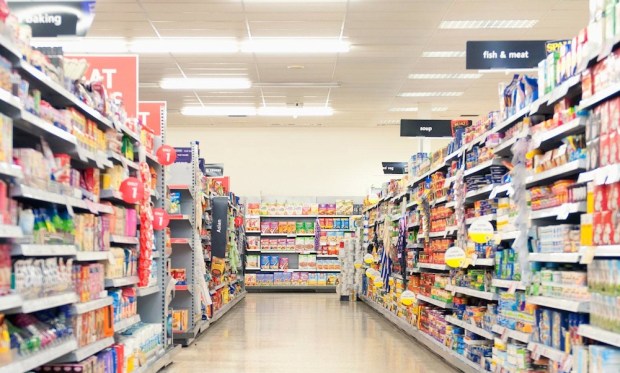
The firms — which collectively cover soda, chips, toothpaste, deodorant and diapers (among many other things) — noted that overall cooling in consumer spending is taking a bite out of profits.
We’d love to be your preferred source for news.
Please add us to your preferred sources list so our news, data and interviews show up in your feed. Thanks!
Overall purchases of consumer packaged goods in the U.S. were down 2.5 percent, and bigger brands are showing the biggest troubles. The 20 largest consumer packaged-goods companies last year saw flat sales, according to Nielsen figures.
There are “probably more sources of volatility today than at any other time in history,” P&G Chief Financial Officer Jon Moeller said Wednesday in a call with reporters.
Economic growth in the U.S saw a slowdown during Q4 that that has not been shaken off as of yet almost four months into 2017. Economists surveyed by The Wall Street Journal are forecasting that gross domestic product only ticked up by 1 percent in the first quarter from the previous three months.
That would represent growth down by half from the roughly 2 percent growth that had become standard in the post-financial crisis period. U.S. President Donald Trump has notably promised to double that figure to 4 percent GDP growth.
The U.S. Commerce Department releases its first read on first-quarter GDP on Friday.
“There are some behavioral changes: A lot more is going online, people are not getting married, they’re living in smaller spaces, and they aren’t having as many children,” he said. “That’s not going to turn around very fast,” noted Chris Christopher, director of consumer economics for IHS Markit.


 Add as Preferred Source