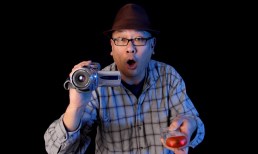
If something strange is happening in your neighborhood this Halloween, you might want to call the librarian.
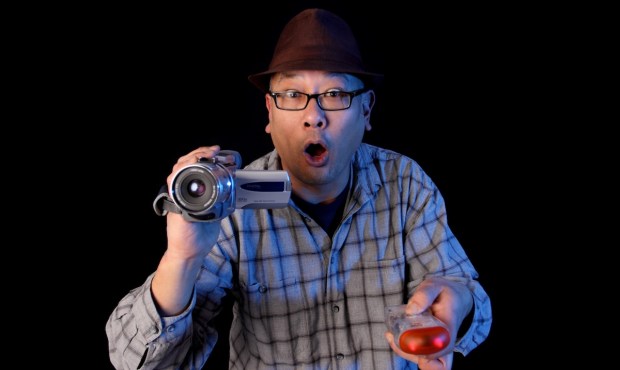
Concord Public Library in New Hampshire is encouraging patrons to borrow a ghost detector or thermal imaging camera as part of its October Halloween programming. Alongside crafts and a spooky concert, the library offers equipment for residents whose seasonal plans extend beyond watching scary movies to investigating the premises.
Whether the evening produces a supernatural encounter is another matter. The borrowing opportunity, however, is real.
The ghost-hunting equipment belongs to Concord’s Library of Things, a collection of objects patrons can take home much as they would a book. Its stated purpose is to help people save money and try items before deciding whether to buy them. Halloween supplies the entertaining hook for a broader consumer proposition: Sometimes, temporary possession is plenty.
Consider the household economics of amateur ghost hunting. A burst of October enthusiasm could lead to an equipment purchase, followed by one evening of investigation and years of storage. Borrowing lets the curious test their commitment before allocating permanent shelf space to the paranormal.
It’s a useful model for plenty of less spectral activities, too.
Concord’s collection includes a karaoke machine, metal detector, telescope and pickleball set. Patrons can also borrow a paper shredder, vehicle code reader and equipment for converting old recordings into digital files. The same institution can help you investigate an unexplained presence, diagnose a dashboard warning or finally do something about those family videotapes.
For consumers, the appeal goes beyond avoiding a purchase price. Ownership brings storage, maintenance and the occasional uncomfortable realization that an ambitious new hobby lasted approximately one weekend. Borrowing creates room to experiment without requiring every experiment to become a household asset.
We’d love to be your preferred source for news.
Please add us to your preferred sources list so our news, data and interviews show up in your feed. Thanks!
Think of it as a fitting room for hobbies. You can find out whether astronomy suits you before bringing home the telescope.
The idea, a growing worldwide trend, is also taking shape in Texas. In an Oct. 5 account of Fort Bend County Libraries’ new Library of Things, the Texas State Library and Archives Commission described a collection that includes binoculars, telescopes, cassette players and podcasting equipment. A refractor telescope had attracted 19 holds at the time of the report, with borrowers able to check it out for three weeks.
Fort Bend’s example points to a practical distinction for retailers and service providers. Interest in an activity doesn’t automatically translate into a desire to own the equipment. A consumer may want one night of stargazing, one recording session or one Halloween investigation.
That creates different opportunities around the same interest. Equipment sellers can serve committed enthusiasts, while rental businesses and shared collections address occasional use. Trying something may also help a prospective buyer understand which features they actually need.
The borrowing experience has its own requirements. Concord limits its Library of Things to adults 18 and older who complete a borrower’s agreement. Items circulate for one week, with one renewal permitted, and patrons may borrow two at a time. Returns go to a staff member inside the library. Please keep the ghost detector out of the book drop.
Availability and lending rules vary by library, so a Halloween expedition should start with a catalog search. A listing establishes that a collection includes an item, rather than guaranteeing it’s waiting at the desk.
For households watching discretionary spending, the appeal is straightforward. Seasonal entertainment can begin with something borrowed, leaving more room in the budget for other plans.
And if the ghost detector fails to uncover anything, you can return it next week. The unexplained noise upstairs can remain someone else’s business model.


 Add as Preferred Source