On Monday of this week (Mar. 6), said GeekWire, Amazon reportedly dropped its previous “motion to quash.”
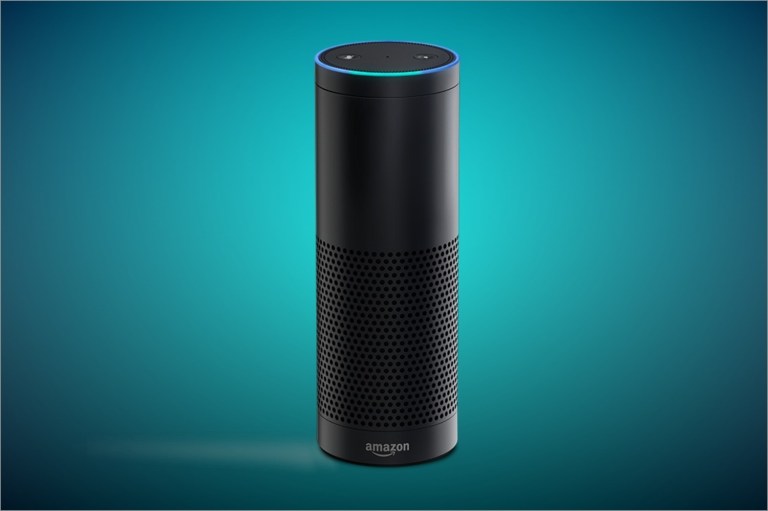
Back in December, investigators in Bentonville, Ark., have requested data from an Amazon Echo device present at the scene of a murder committed back in late 2015. Investigators had hoped to see if one of Alexa’s microphones could have picked up incriminating audio.
At the time, Amazon contested the order, arguing that the voice recordings and Alexa’s responses are protected by the First Amendment.
“At the heart of that First Amendment protection is the right to browse and purchase expressive materials anonymously, without fear of government discovery,” Amazon had written in its legal brief. “The responses may contain expressive material, such as a podcast, an audiobook or music requested by the user. Second, the response itself constitutes Amazon’s First Amendment–protected speech.”
Experts seem relatively sure that investigators won’t find much useful from the data. Alexa records audio only once awakened. Additionally, Echo users have the ability to access all recorded data and erase it at any time.
Advertisement: Scroll to Continue
Another IoT device of interest in the case is the suspect’s smart water meter, which recorded that some 140 gallons of water were used between 1 and 3 a.m., said GeekWire, in the house the night of the murder. Authorities suspect it was perhaps to clean the victim’s blood from the crime scene.
Privacy advocates have warned for years that smart devices are always listening. Consumers are more concerned than ever about the security of their private data — along with their private conversations and activities in the home. While police investigating a murder using IoT data isn’t too concerning, a more distressing notion is that hackers could access the same data with consumers none the wiser.