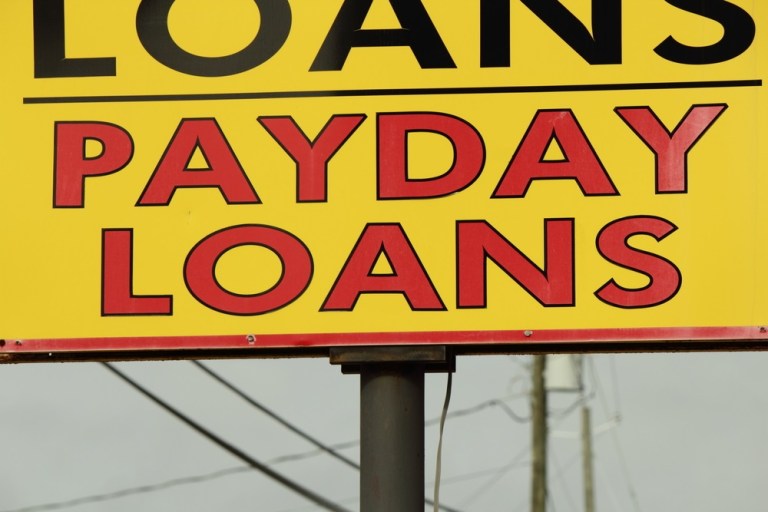
The Consumer Financial Protection Bureau is gearing up to scale back its rule on payday lending, giving the industry a potential break from oversight.
According to a report in the Wall Street Journal, citing industry lobbyists and consumer advocacy groups, the CFPB is moving to scale back a rule on small-dollar lending before President Trump’s appointee takes over the watchdog agency. Richard Cordray, the director of the CFPB, has a term that lasts through July of 2018, but many think he will resign to run for governor of Ohio. Aiming to complete the rule, people familiar with the matter told the Wall Street Journal , the CFPB wants to reduce the reach of the proposed rule to get it completed. According to the paper, the rule will focus on payday loans that are due in two weeks or the next pay check and have annual interest rates that could be as high as 390 percent. In order to be excluded from the rule the loan has to last 45 days or more. “We are expecting the rule any time,” said Dennis Shaul, chief executive of the Community Financial Services Association of America, the trade group for payday lenders told the Wall Street Journal. “They are very far along in their process.”
People familiar with the matter said the rule is being subjected to a peer review by other agencies in the banking sector, including the Office of the Comptroller of the Currency and the Federal Deposit Insurance Corp. They have a deadline of early September for their review. Since the creation of the CFPB in 2011 regulating the payday loan market has been a top goal. Under the original oversight, lenders would have to assess the ability of a borrower to pay back the loan. It would also make it more difficult for lenders to roll over loans, which often results in borrowing costs that escalate.
See More In: CFPB, Community Financial Services Association of America, Dennis Shaul, Donald Trump, News, payday loans, personal loans, President Trump, Richard Cordray, Small-dollar lending, What's Hot