While there was some weakness in the labor market, consumers are starting to feel incrementally better about what lies ahead, according to a Tuesday (July 29) press release.
The Conference Board Consumer Confidence Index rose by 2 points to 97.2 in July, up from a revised 95.2 in June, the release said. The Expectations Index, which gauges consumers’ short-term outlook, improved by 4.5 points to 74.4, although it remained below the recession threshold of 80 for the sixth month in a row. The Present Situation Index, which reflects current business and labor market conditions, declined by 1.5 points to 131.5.
“Consumer confidence has stabilized since May, rebounding from April’s plunge, but remains below last year’s heady levels,” Stephanie Guichard, senior economist, global indicators at The Conference Board, said in the release.
The University of Michigan’s Surveys of Consumers reported July 18 that consumer sentiment inched up in July to reach its highest level in five months.
Still, consumer sentiment remained below its December reading and its historical average, the Surveys of Consumers said when reporting preliminary results for July.
Advertisement: Scroll to Continue
Surveys of Consumers Director Joanne Hsu said at the time that it would take a stabilization of inflation and trade policy for consumers to fully regain their confidence.
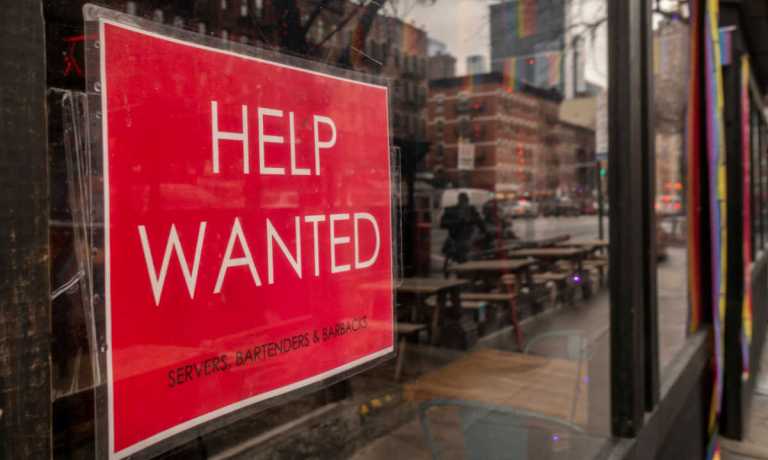
According to The Conference Board’s Tuesday press release, consumers grew less pessimistic about future business conditions and employment in July, while also showing greater optimism regarding income prospects. However, sentiment around the current job market continued to weaken, with 18.9% of respondents saying jobs were hard to get, the highest share since March 2021.
The July increase in confidence was driven by consumers over the age of 35 and was relatively broad-based across income groups — except for the lowest earners (households earning less than $15,000 annually), the release said. Confidence rose most sharply among Republican-affiliated respondents and remained steady for Democrats and Independents.
Inflation expectations eased to 5.8%, down from 5.9% in June. Despite that, concerns about tariffs and high prices remained top-of-mind among respondents, per the release.
Interest rate expectations also shifted, as 53% of consumers expected rates to rise (down from 57.1% in June), while 21.2% anticipated rates would fall (up from 18.4% in June). Consumers believed credit card interest rates were the most likely to rise across all categories, the release said.
The Federal Reserve Bank of New York said July 8 that its June Survey of Consumer Expectations found at least some optimism on inflation. Consumers said they expected price increases to remain elevated, but at a slowing pace.
The Conference Board said in its Tuesday release that stock market sentiment continued to rebound, with 47.9% expecting higher stock prices over the next 12 months, up from 37.6% three months ago.
Consumers’ assessments of their current and expected family financial situations softened somewhat in July, the release said. The share of consumers expecting a recession in the next 12 months declined slightly but remained elevated compared to 2024 levels.
Purchasing intentions were mixed, per the release. Plans to buy homes and cars fell in July, although they remained stable when viewed over a six-month average. Buying plans for large appliances were uneven, while interest in electronics rose slightly.
Service-related spending intentions declined for a second straight month — particularly for dining out, transportation and lodging, according to the release. Vacation plans dropped overall, with a modest shift toward international travel and a decline in plans for domestic trips.