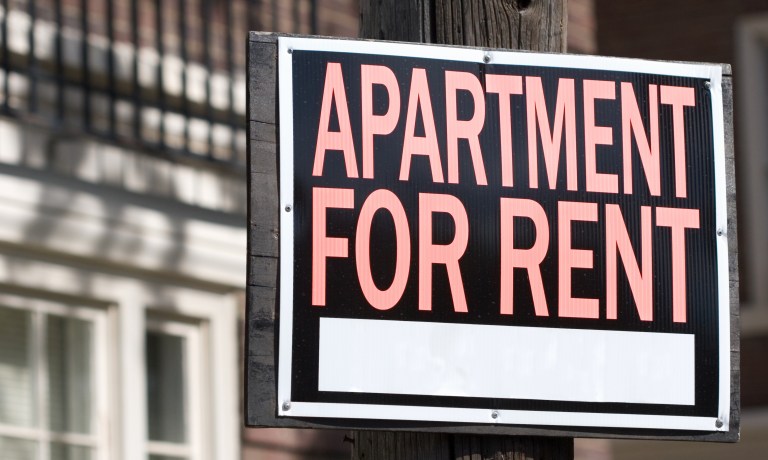
That’s according to a new analysis from the FTC released Tuesday (Dec. 23), showing that consumers have reported almost 65,000 of these scams—many of which began with fake listings on Facebook and Craigslist—in the last five years.
The scams typically involve phony rental listings, which often appear to be legitimate, copying information from actual listings but posted with the scammer’s contact info on different sites, the FTC said in a news release.
“Many of these ads are found on social media sites,” the release said. “In fact, the FTC found that about half of people who reported a rental scam in the 12 months ending June 2025 said the scam originated with a fake ad on Facebook. People ages 18 to 29 were three times more likely than other adults to report losing money to a rental scam.”
In some cases, the scammers pressure prospective renters to put up money first before seeing a rental property in person, or ask them to show their creditworthiness by providing screenshots of their credit scores.
Scammers will send consumers affiliate links to websites to sign up for a low-cost credit check, though this may enroll the consumer in a paid membership with recurring fees.
Advertisement: Scroll to Continue
And in other cases, scammers collect consumers’ personal information—like their Social Security number, driver’s license or paystubs—to steal their identity. The FTC says consumers can avoid rental scams by searching for rental addresses online to determine if the same property is listed with different prices, contact information, or is listed as being for sale.
The FTC advises consumers to wait until they’ve agreed to rent a property before sharing personal information, and to be wary of listings where the rent is much cheaper than similar properties in their areas.
The findings come amid an overall rise in scams, according to recent FTC findings. But as PYMNTS wrote last week, not all of these victims report the incidents to their banks.
“That’s a big loss for the financial services industry, whose stability depends on trust. The reason: How a financial institution handles a scam incident helps determine whether an affected customer stays or bolts to a competitor,” PYMNTS wrote.
“And if a bank, investing website or other financial institution doesn’t know a scam took place, it can’t help that victimized customer, maintain their trust or strengthen its anti-fraud defenses. If a consumer reports the scam but doesn’t trust their bank to make things right, their trust further collapses,” the report added.