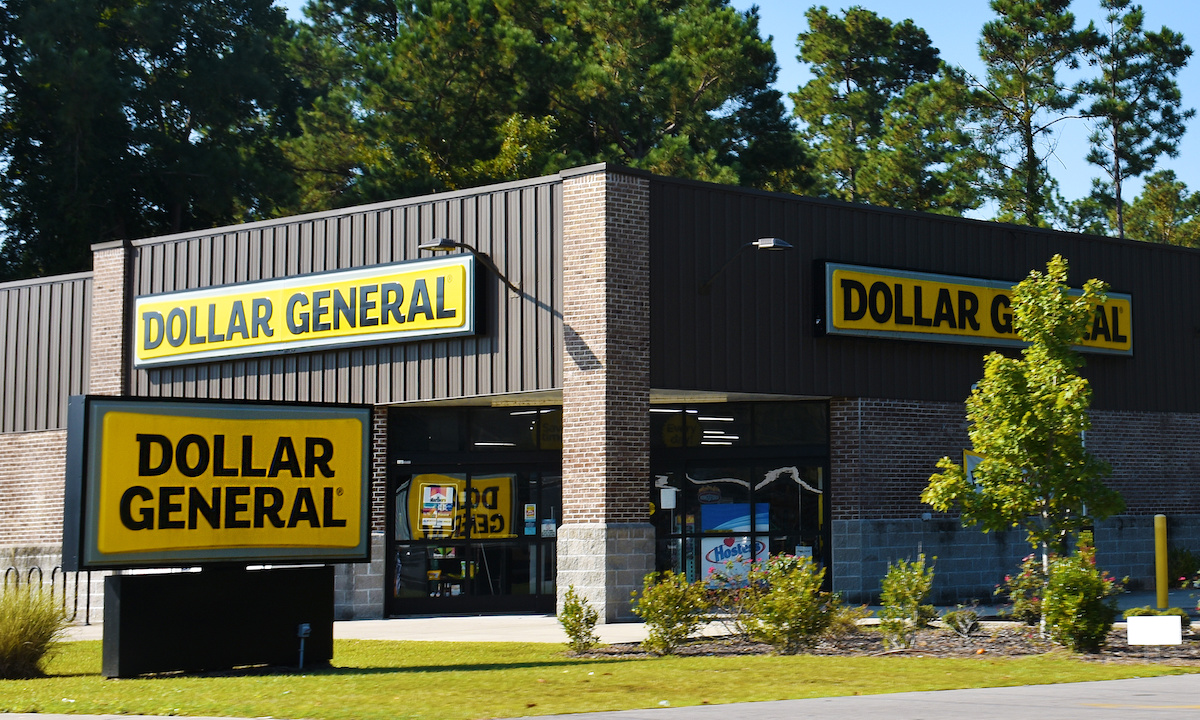
The complaint alleged that Dollar General routinely charges customers more at the register than the prices displayed on shelves, price tags and advertisements, and that it failed to correct the issue even though the problem is widely known across the corporation, the FTC said in a Monday press release.
The overcharges have cost consumers in the United States millions of dollars, and Dollar General has received tens of thousands of complaints about this issue, according to the release.
“Dollar General has betrayed the trust of millions of American consumers and imposed significant financial harm on communities and consumers who are already struggling to make their paychecks last,” Christopher Mufarrige, director of the FTC’s Bureau of Consumer Protection, said in the release. “The FTC’s action underscores the agency’s commitment to lowering costs for consumers by stopping deceptive pricing practices that harm Americans.”
Dollar General said in a statement posted Monday that it worked with the FTC to try to resolve this matter since learning about it in February, that the company was surprised that the FTC filed a lawsuit rather than allowing the negotiating process to continue, and that it will now defend this litigation vigorously.
Of the allegations made in the complaint, Dollar General said: “Nothing could be further from the truth.”
“Our goal is 100% accuracy between shelf and register prices in every store,” Dollar General said. “As with other retailers and despite our policies and procedures, occasional price discrepancies can occur. When that happens, our store teams are instructed, empowered and expected to make things right for the customer. In recent years, we have enhanced our price-accuracy processes and remain committed to continuous improvement.”
The Ohio Attorney General’s Office, one of the 20 state attorneys general who joined the FTC’s lawsuit, said in a Monday press release that this is the second time the state has sued Dollar General. The state sued Dollar General in November 2022, alleging that the retailer unlawfully overcharged its customers, and reached a $1 million settlement a year later. The settlement included steps for addressing the reported price discrepancies.
“The prices on store shelves are what customers should be paying,” Ohio Attorney General Andy Wilson said in the release. “Dollar General has allowed the overcharges to continue at the expense of the very people who keep its lights on.”
Connecticut Attorney General William Tong said in a Monday press release: “Consumers should be able to trust the prices they see on the shelves, not worry about what they’ll be charged at the register. We are taking aggressive action to hold [Dollar General] accountable.”
PYMNTS reported in July that state lawmakers and attorneys general are intensifying their scrutiny of fees consumers encounter at checkout, pursuing measures that range from restrictions on credit and debit surcharges to broader “junk fee” disclosure mandates and limits on interchange fees.