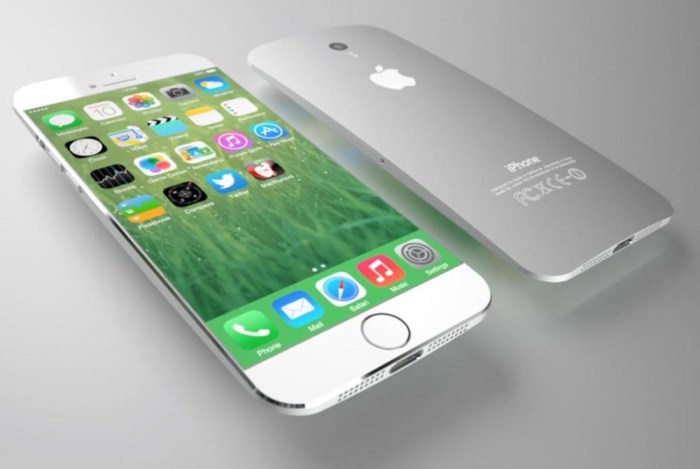
When all phones could do was call and send the occasional text, consumers were crazy for devices that were as small and low-profile as possible. When they essentially became pocket computers, screens ballooned in response to the increase in functionality.
Now, it looks like Apple might go back to the simpler times of smartphone design.
According to rumors from KGI Securities Analyst Ming-Chi Kuo, published by MacRumors, Apple could release a four-inch smartphone sometime in the first half of 2016. Citing lagging sales for the larger iPhone 6s that may not outpace those of the iPhone 6, Kuo claimed that Apple may very well shrink its devices to take advantage of what the brand sees as a consumer desire for less cumbersome phones.
“We estimate the new four-inch model will account for 8–9 percent of total iPhone shipments in [fiscal year] 2016,” Kuo said, as reported by MacRumors. “[The devices will have an] expected price of $400–500, with the aim of penetrating emerging markets and consumers on smaller budgets.”
The smaller smartphones are reported to look similar to the iPhone 5s, though the new iterations will be released with a larger focus on mobile payments. Specifically, the inclusion of NFC will allow integration with Apple Pay on the smaller devices. The New York Times reported in 2012 that the original iPhone 5 models could not incorporate the technology because their aluminum and glass construction blocked the NFC signals from being sent or received by the phones.
Regardless of the size of the next Apple smartphone, Kuo said that it was clear something needed to be done about the 6s‘ flagging sales. Supply chain shipments for the newest Apple phone could fall anywhere from 30 to 40 percent from quarter to quarter, and with the iPhone 7 not scheduled for mass production until Q2 2016, a smaller phone could bridge the gap between releases.
Advertisement: Scroll to Continue