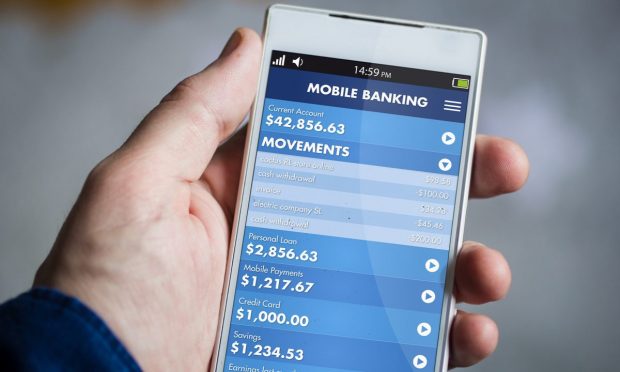
The corner bank branch — the brick-and-mortar kind — may be giving way to a digital one embedded in our phones.
We’re seeing the rise of banking done electronically, 24/7, on the smallest of screens. And the report “How Consumers Use Digital Banks,” a collaboration between Treasury Prime and PYMNTS based on a survey of more than 2,100 people, weighed in on how often consumers are turning to these high-tech channels to get their banking done.
We’d love to be your preferred source for news.
Please add us to your preferred sources list so our news, data and interviews show up in your feed. Thanks!
Fully two-thirds of consumers said that they have used a digital bank; and more than half said they have tapped into the services provided by Venmo and PayPal, indicating a growing familiarity with using faster and on-demand ways to move money. As many as 84% of millennials and members of Generation Z have used FinTech banking services in some form.
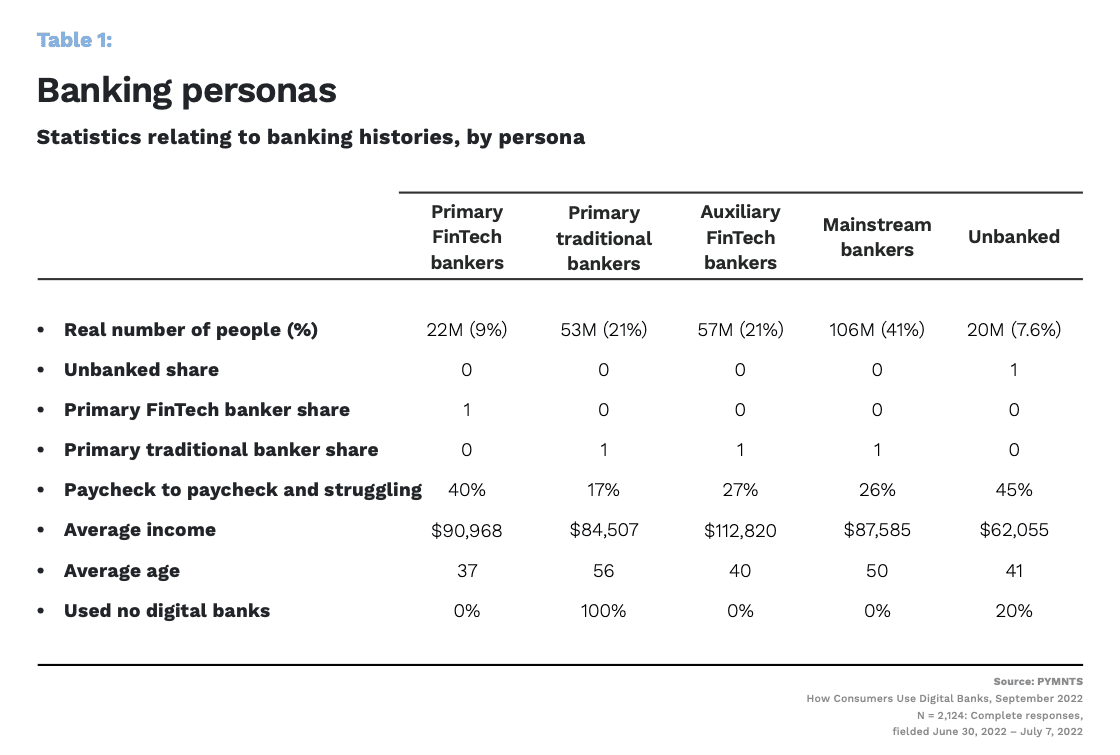
Six out of 10 consumers say they would be interested in joining a digital bank. Drilling down a bit, PYMNTs research has identified five “personas” of consumers that use digital or “traditional” banking conduits, or a combination thereof.
A small but significant slice of the population uses FinTech, digital-only options to bank. As many as 22 million, or 9% of the consumers surveyed, use FinTechs as their “primary” banks — and they tend to be younger than the “traditional” banking customers who don’t use digital channels at all. The FinTech-focused individuals make nearly $91,000 annually, and 40% of them report living paycheck to paycheck — and struggling.
See More In:
banking, data brief, Digital Banking, Featured News, FinTech, mobile banking, News, PayPal, PYMNTS Study, Treasury Prime, Venmo


 Add as Preferred Source