Free shipping can be key to securing customer loyalty, but grocers struggle with the cost.
The Context
Shipping perishable foods and/or delivering them via courier can be extremely costly. As such, though grocers know that free shipping can be a powerful draw, many have determined that it is not a cost they are willing or able to bear.
We’d love to be your preferred source for news.
Please add us to your preferred sources list so our news, data and interviews show up in your feed. Thanks!
Some have sought to offer shoppers a compromise. Take, for instance, Kroger, the United States’ largest pure-play grocer, offering next-day delivery for a set monthly or annual cost ($7.99 or $59, respectively) and same-day delivery for higher monthly/annual costs ($12.99/$99, respectively).
“We launched Boost, the industry’s most affordable membership nationwide in July. Early results are exceeding our expectations with incremental engagement and overall household spend,” CEO Rodney McMullen said on a call with analysts earlier this month discussing the grocer’s fourth-quarter 2022 financial results.
Yet, some players in the space do not believe that free delivery on small orders makes sense from a unit economic standpoint even when consumers are engaged in a paid membership program. Earlier this year, Amazon raised its free grocery delivery threshold for Prime members to an unusually high $150 about a year after adding a new $9.95 delivery fee for Prime members purchasing from Whole Foods.
With these moves, the eCommerce company may improve profit margins per order, but it risks alienating its customers.
By the Numbers
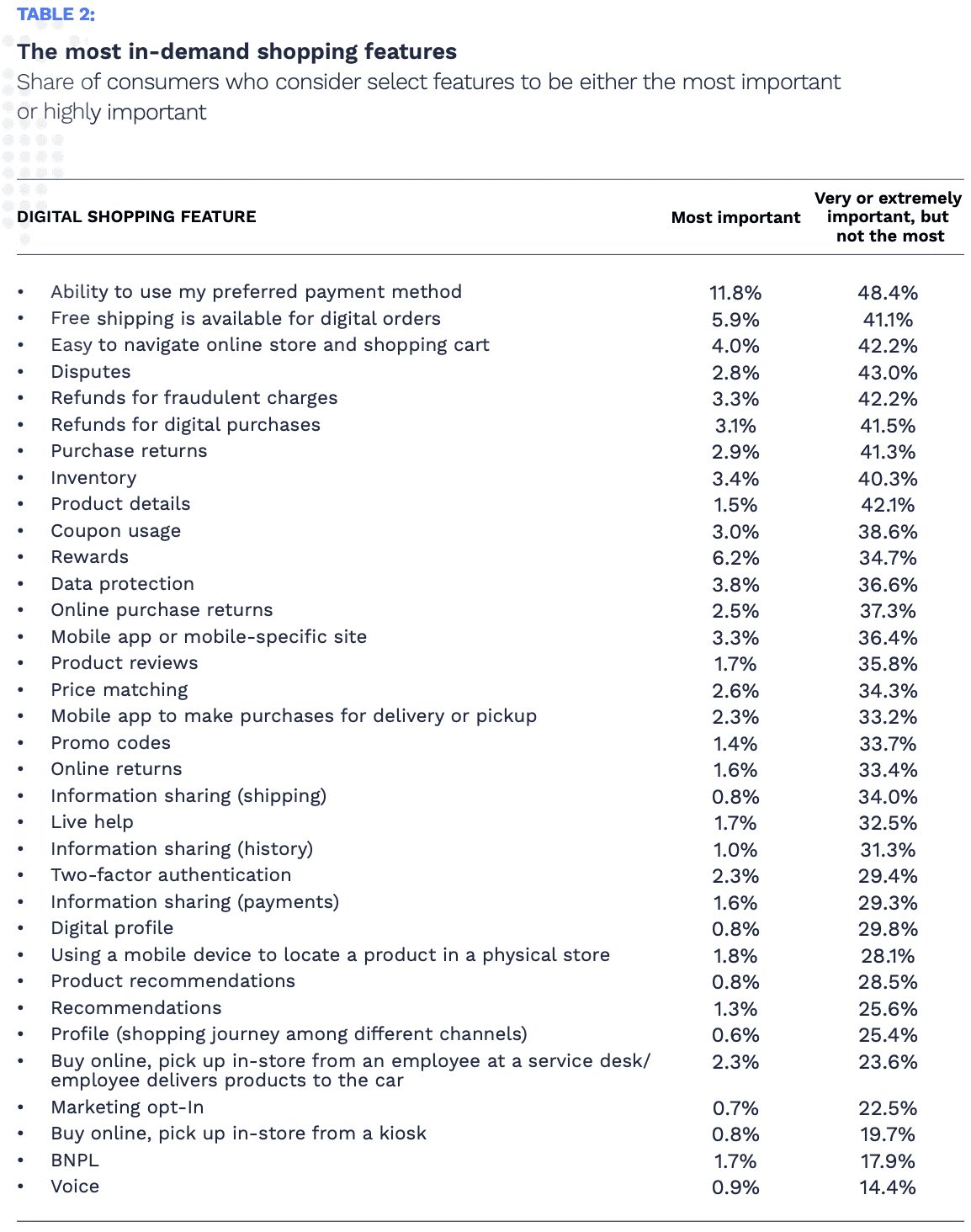
Research from PYMNTS’ study The 2023 Global Digital Shopping Index: U.S. Edition, which draws from a survey of more 2,800 U.S. consumers, reveals that nearly half of all shoppers (47%) see free shipping for digital orders as important to their eCommerce experience. Plus, those who use digital technologies more often — persona types that the report dubs “digital enthusiast” and “digital mainstream” shoppers — are all the more likely to seek out the option.


 Add as Preferred Source