The Series A round of funding was led by Sequoia India, Venturra Capital and Susquehanna International Group. Other participants in the round of funding include Wavemaker Partners, Beenext, Beenos and Digital Garage. The startup previously raised $2 million. All told, it has received $10 million from venture capitalists.
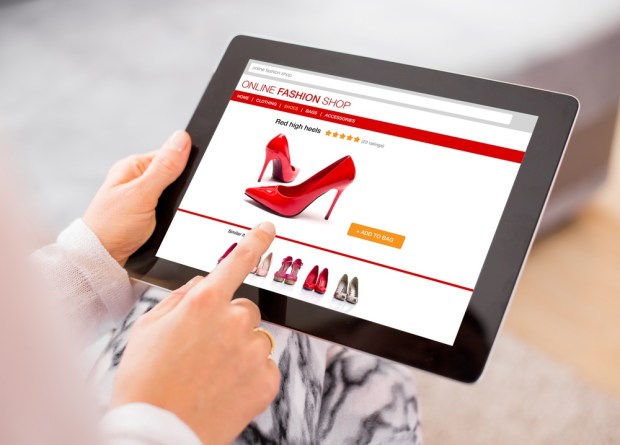
Zilingo was founded by Ankiti Bose, a former Sequoia India analyst, and Dhruv Kapoor, an ex-Yahoo engineer. The two started the company after a trip to Bangladesh. Zilingo is a marketplace for fashion sellers in Thailand, Singapore and soon in Indonesia. Zilingo, whose founders moved to the region, are targeting small retailers who sell their fashion offline in markets and malls across Southeast Asia. The founders of Zilingo think these merchants, which get a lot of business from weekend shoppers, can have a huge potential online.
“We saw that there was 60 percent of the fashion market being catered to by SMEs, but none of these had ability to sell online at scale, [and] all other online businesses wanted to get sales or push their own brands,” Bose said in the report.
The way the service works: Sellers can price their products any way they want, and Zilingo gets a 10–15 percent cut of any sale. Bose said in the report that, when all is said and done, the company has positive margins of 1–2 percent. “Never once did we sacrifice the unit economics for GMV [in] order to get a better valuation for fundraising,” said Bose. “We said, ‘Hey, that is a bad business.’ Instead, we let the business pay for the business, and money we raise covers salaries, marketing, etc. Essentially, we don’t end up burning a lot of money. We might even get profitable soon, and this excess cash allows us to aggressively market ourselves.”