PayPal has introduced QR code payments in iZettle’s point-of-sale app to advance secure, contactless transactions in the U.K. amid COVID-19 restrictions.
“Small businesses need access to commerce tools that help them sell securely and meet their customers wherever they are — in-store, online and in-between,” Jacob de Geer, vice president of small business products and iZettle at PayPal, said in a statement on Wednesday (Dec. 9).
He added that combining its POS product with contactless payments capabilities “can help small businesses offer an innovative in-store payment experience while navigating this new normal.”
We’d love to be your preferred source for news.
Please add us to your preferred sources list so our news, data and interviews show up in your feed. Thanks!
The new tool coincides with the gradual reopening of U.K. businesses and allows for touch-free technology so shoppers can handle purchases from a distance. The closure of non-essential retail stores due to the pandemic caused high street businesses to lose an estimated £1.6 billion in sales each week, PayPal said.
The British Retail Consortium anticipates that the restrictions implemented during the second wave of the virus would also negatively impact small businesses, especially during the holiday shopping season.
“We are extremely happy to have re-opened our Concept Store again last week following November’s lockdown, and I’m looking forward to offering customers a safe and secure checkout with PayPal QR Codes within the iZettle POS,” said Anissa Damoussi, founder of independent retailer So Marrakech in Manchester. “We believe the more we can offer in terms of touch-free retail, the better.”
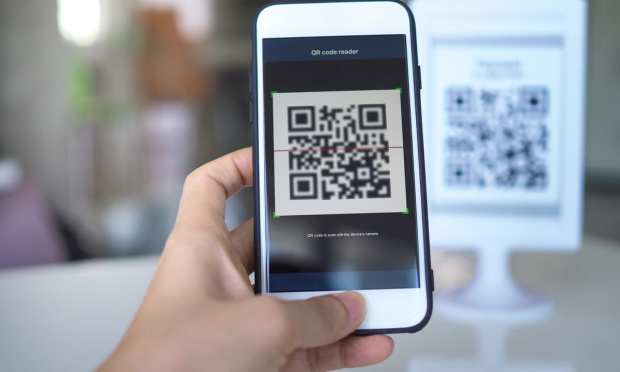
The roll-out builds on the May launch of PayPal QR Codes in the PayPal app, which became available in 28 markets around the world, including farmers markets and resale shops. People can use their smartphones to scan the codes right inside the PayPal app, limiting the need for checkout technology tools or cash.
PayPal acquired iZettle in 2018 for $2.2 billion.


 Add as Preferred Source