The challenge, for some, is differentiating their digital payment experiences among competitors. For others, like older public utility companies, the issue is building out those digital payment experiences in the first place — while still satisfying customers who want to pay by cash or check.
In the Making Instant Pay Global Playbook, PYMNTS examines how all three industries are adopting digital payments, and the regulatory and consumer satisfaction challenges at play as companies innovate.
Public Utilities and the Challenges of Channels
 The first step to competing in the digital payments world is entering it. Taking that critical step forward can be costly for public utility companies, however, because they still need to cater to less secure, legacy methods like checks when providing gas or electric services to consumers.
These companies need airtight strategies when transitioning to mobile and digital, and must carefully consider the features and functionality that will be included in such apps. Appealing to a customer base that wants speed, and may not necessarily want to interact through mobile apps for monthly bill payments, is tricky, though — at least, according to executives from National Grid, PG&E and Southern Company.
Download the most recent Making Instant Pay Global Playbook to learn more about the state of payments in public utilities.
The Gig Economy and the Instant Payments Battlefield
For other industries, the task at hand is less about creating a digital payments ecosystem, and more about swaying users from competing services. More than 35 percent of worldwide professionals now participate in the gig economy, meaning gig platforms and services need to make sure that both sides of the marketplace — workers and employers — are satisfied with how they pay and get paid.
Instant payments are quickly becoming the next battleground for gig economy platforms and marketplaces looking to grow their presence in global markets. In fact, payments are make or break to please the rising number of workers who want increased flexibility, and to ensure the gig economy’s continued worldwide expansion.
Download the Playbook to learn more, and see what executives from Fiverr, Freelancer.com, Lime and others said about their payment efforts.
eCommerce and Payments Personalization
 Supporting online payments from users in multiple markets is the lifeblood of eCommerce firms. Those that want to remain competitive in this space will need to devise increased support for all types of payments, particularly as eCommerce becomes the more common method through which worldwide consumers purchase their goods.
Companies will need to continue to support cash and in-person payments as they build out digital infrastructures in emerging markets, such as in Nigeria. In other markets, growing competition from new eCommerce players, as well as increased regulatory scrutiny, mean that payment speed and security are essential to many firms’ expansion efforts.
Download the Playbook to learn how executives from Jiji, Newegg and others are approaching this space.
About the Playbook
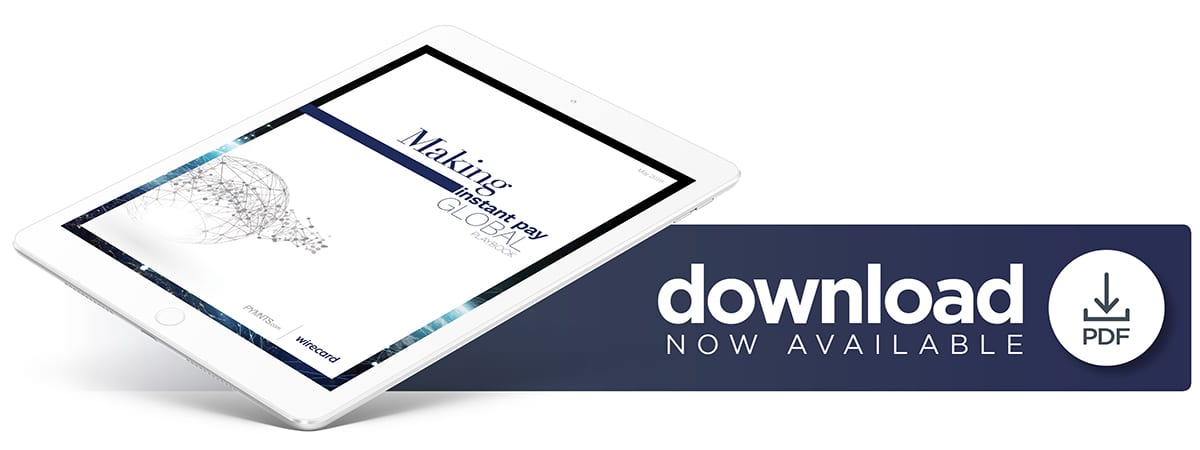
The Making Instant Pay Global Playbook, a PYMNTS and Wirecard collaboration, examines the rise of digital payments adoption, and its impact on gig economy platforms, eCommerce merchants and public utility companies. The Playbook provides a roadmap to platforms across the digital continuum, helping them better navigate shifting regulations and consumer preferences, while meeting the instant payments demand.

 Instant gratification isn’t instant enough for modern consumers. Gig, public utility and eCommerce companies are all focusing on payment innovations to remain competitive in increasingly saturated markets, experimenting with new tools, technologies and digital channels to engage with and retain users on their platforms.