Recent reports indicate that, when Walmart wants its market share back, it does not scale back the exuberance with which it is willing to pursue it. Walmart is cutting its prices as it aggressively moves to clawback market share from Target and various dollar stores nationwide — a price war that could cost its rivals $35 billion in business per year, according to a UBS research paper.
Dollar General has responded in kind, cutting its prices by as much as a full 10 percent to drive sales and keep foot traffic up, particularly among lower-income buyers.
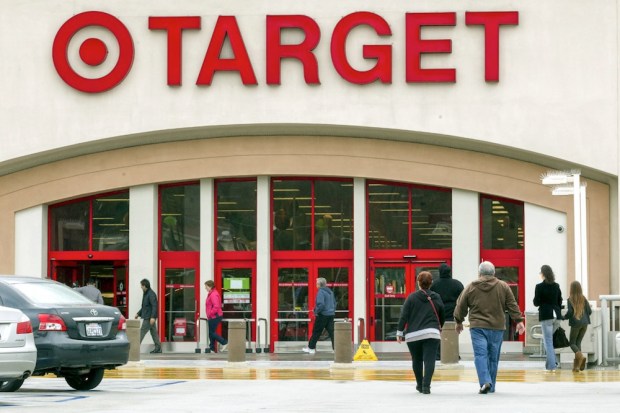
Target, according to its CEO, will instead be moving to focus more on the “Expect More” part of its tagline, as opposed to the “Pay Less” half. But Target, UBS noted, could end up bearing most of the brunt of the price drop, since Target stores and Walmart stores are often in close proximity to each other and because Target was already having some trouble getting with the swing of the recovery.
Target has tangled with Walmart in a price war before and lost — mostly because it had been insufficiently aware of just how much profit Walmart can afford to forgo to protect its market share. Target soon conceded defeat in this race to the bottom on price and resolved to find other ways to compete.
The “cheap chic” branding concept was born from there.
And these days, cheap chic is back, as Target tries to tap back into the last way it was able to outfox big blue.
“Price has emerged as a bigger-than-life issue that is enormously complicated,” one analyst noted. “How do you put an assortment into a 200,000-square-foot plain vanilla box that is inviting, engaging and happy and makes you want to come back? You have to do it with merchandise and with merchandise presentation.”