For a time, the formula appeared to work, as digitally native brands paired online sales with carefully staged storefronts meant to deepen loyalty and showcase products in person.
That phase is now giving way to recalibration.
Across apparel, footwear and home goods, a growing number of D2C brands are restructuring how they sell, and where, trimming physical footprints or exiting stores altogether as they reassess the capital intensity of brick-and-mortar retail.
From Digital Disruption to Physical Retrenchment
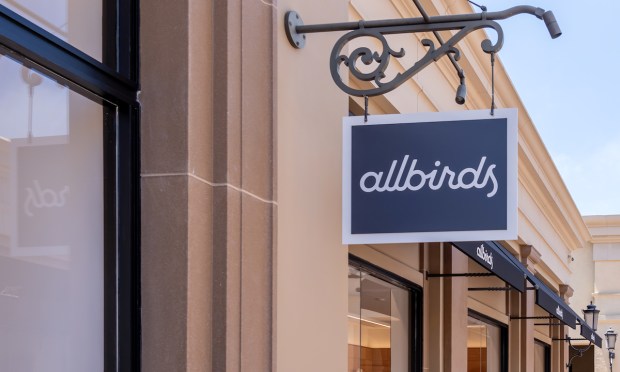
The most recent example comes from footwear firm Allbirds, which said it will close its remaining full-price stores in the United States by the end of February and redirect resources toward eCommerce, wholesale partnerships and international distributors.
The company will retain two outlet locations in the U.S. and two full-price stores in London, but the broader strategy reflects a decisive pivot away from domestic storefront expansion, where the company had operated dozens of locations previously. In September, the company had already reduced its U.S. store count to 29 from 45 two years earlier, underscoring how quickly the physical strategy has been fine-tuned.
Other D2C brands are making similar moves.
By June, Parachute Home had closed 19 of its 26 retail locations. It is now emphasizing wholesale relationships with retailers such as Target while returning focus to direct digital sales.
Outdoor Voices, an activewear brand once emblematic of experiential D2C retail, shuttered all 16 of its stores roughly two years ago and was acquired by private equity firm Consortium Brand Partners.
The common thread is cost.
Physical retail brings rent, staffing, inventory management and buildout expenses that strain margins. Returns add another layer of pressure, especially in apparel and footwear, where reverse logistics can erase the gains of an otherwise successful sale. As customer acquisition costs rise across digital channels, many D2C brands are discovering that operating dozens of locations amplifies risk rather than diversifying it.
Shoppers Go Channel-Agnostic While Brands Go Lean
This retrenchment is unfolding against a consumer backdrop that is already channel-agnostic, and D2C brands can arguably squeeze more sales out of a smaller, cost-optimized footprint.
The PYMNTS Intelligence report “2025 Global Digital Shopping Index: U.S. Edition” found that 42% of U.S. shoppers used a mobile phone as part of their retail purchasing activity, whether online or in-store. Nearly two-thirds used a phone for their latest online transaction, and one-third relied on mobile during an in-store purchase, reinforcing how deeply digital behavior now permeates physical commerce.
Convenience and speed are driving repeat behavior, while features such as rewards programs, digital coupons and easy navigation increasingly determine where consumers choose to transact, the report said.
In this environment, scale no longer depends on square footage.
Instead, D2C brands are experimenting with leaner hybrids, like a handful of flagship or showroom locations, pop-ups in high-traffic markets and partnerships inside established retailers.
Expect more of this configuration ahead.
Rather than blanket expansion, D2C players are likely to favor a restrained mix of showcase stores, wholesale placements and tightly integrated eCommerce platforms. The objective is not to abandon physical retail entirely, but to ensure that each location serves a defined role within a broader omnichannel strategy.
Beyond the merchants, and with a read-across to payments firms and FinTechs, the implications are immediate. As brands compress their physical footprints, digital checkout flows, stored credentials, returns management and cross-channel data integration become central to survival. The next phase of D2C will be shaped less by how many doors a brand opens and more by how seamlessly it connects phones, payments and fulfillment across every point of sale.